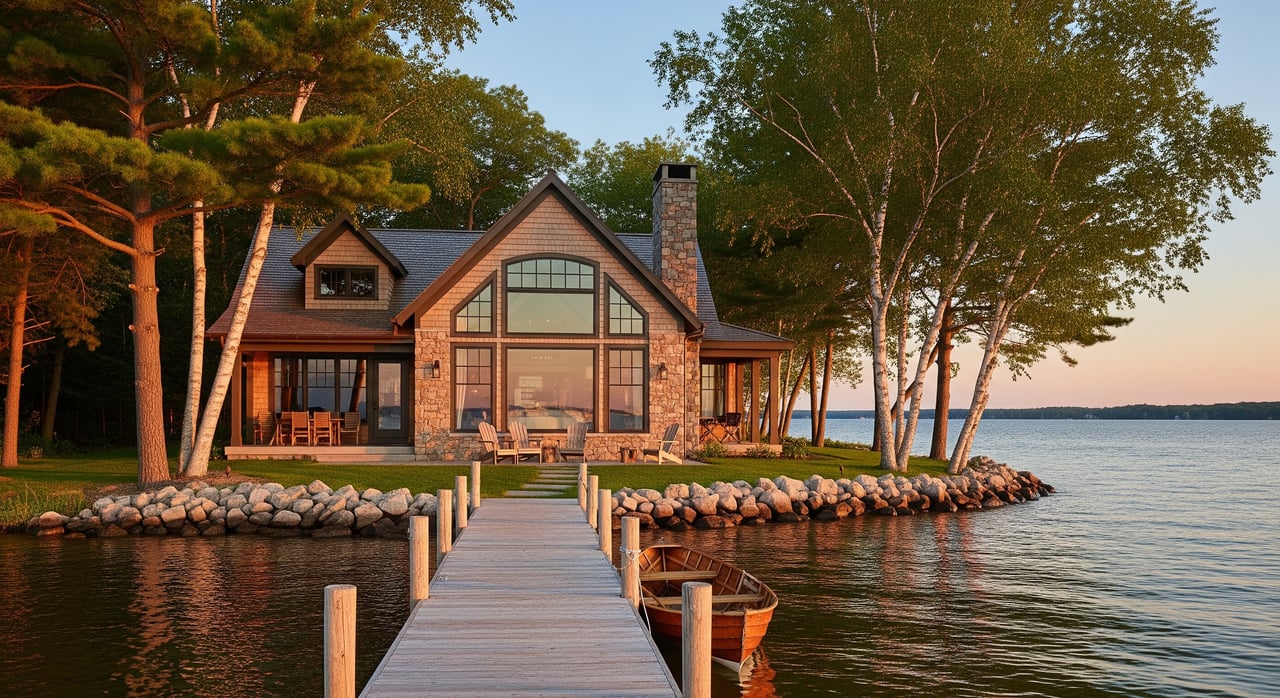
Thinking about a Onekama cottage that’s easy to love and easier to maintain? You’re not alone. Buyers around Portage Lake want simple access to the water, dependable boating, and low-upkeep living that fits a weekend or seasonal lifestyle. In this guide, you’ll learn exactly which features stand out, how to prep a cottage over winter, and what to document before spring showings. Let’s dive in.
What buyers prioritize on Portage Lake
Onekama sits on Portage Lake near Lake Michigan, so waterfront seekers look for everyday convenience on the water and minimal chores off it. Most buyers want:
- Usable, private frontage that’s safe and practical for swimming or launching.
- Durable, low-maintenance exterior materials and decking.
- Smart storage for kayaks, paddleboards, life jackets, and boating gear.
- A practical dock and hoist setup with a clear winter plan.
- Honest documentation on permits, riparian rights, septic, well, and any flood risk.
If you’re selling this spring, you can focus winter projects on these priorities to meet the market where it is.
Frontage types and what they mean
Frontage is often the number one factor for cottage buyers. The type of shoreline shapes day-to-day use, maintenance, and value.
Sandy beach
A gentle, sandy slope is easy to enter and great for swimming. It’s highly appealing, especially for simple, barefoot access. Expect periodic sand movement and potential erosion management in wind and wave conditions.
Gentle rock or pebble
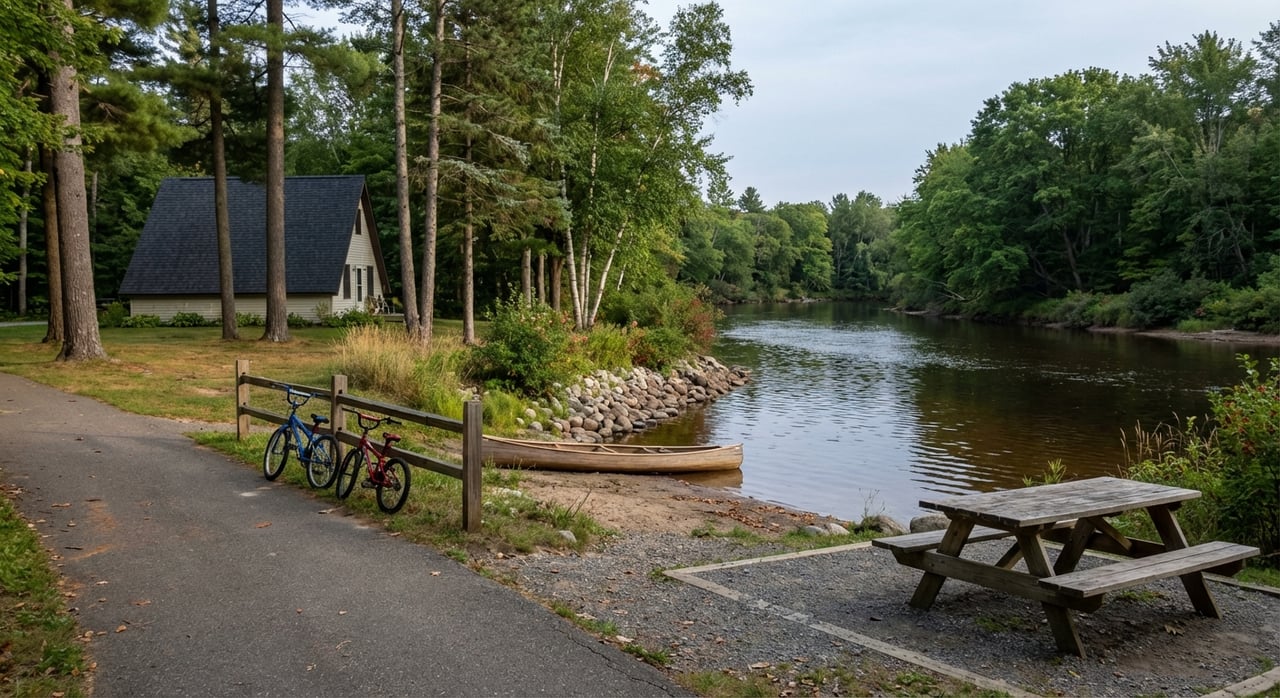
Pebble or small-stone shorelines hold up well to waves and often need less upkeep than sand. Depending on the slope, you might add a small step, ladder, or path for safe entry.
Natural vegetated shoreline
Native shrubs and trees offer privacy and natural erosion control. Many buyers like the low-maintenance feel. Others may see limited views or trickier access, so show a clear path and any viewing corridors.
Seawall or stone revetment
These create a clean edge and can protect from erosion, but they can be costly and influence adjacent shores. They also often involve permits. Keep records of previous shoreline work and any maintenance.
Boathouse or covered slip
Covered storage is convenient for boat owners and can add value, but it’s among the most regulated improvements. Documentation and permits matter here.
Access, privacy, and safety questions to ask
Buyers will look for practical details beyond the shoreline label. Be ready to show:
- How much of the frontage is truly usable and how to reach it.
- Whether frontage is private or shared.
- Any visible erosion, recent shoreline work, or retaining features.
- The route from house to water, including steps, slope, surface, and lighting.
A clearly marked, stable path from the cottage to the shore builds confidence.
Permits, riparian rights, and flood risk
Shoreline projects often need approvals. State and local rules can apply to docks, seawalls, lifts, vegetation changes, and boathouses. Check requirements with Michigan EGLE and Onekama Township or Manistee County before making changes. For ownership questions along the water’s edge, review county records and consult local guidance on riparian rights. Also confirm whether a parcel sits in a FEMA Special Flood Hazard Area and consider flood insurance if it does.
Low-maintenance exteriors that win offers
Seasonal owners want to play on the lake, not paint trim all summer. Durable materials and simple details matter.
Materials buyers prefer
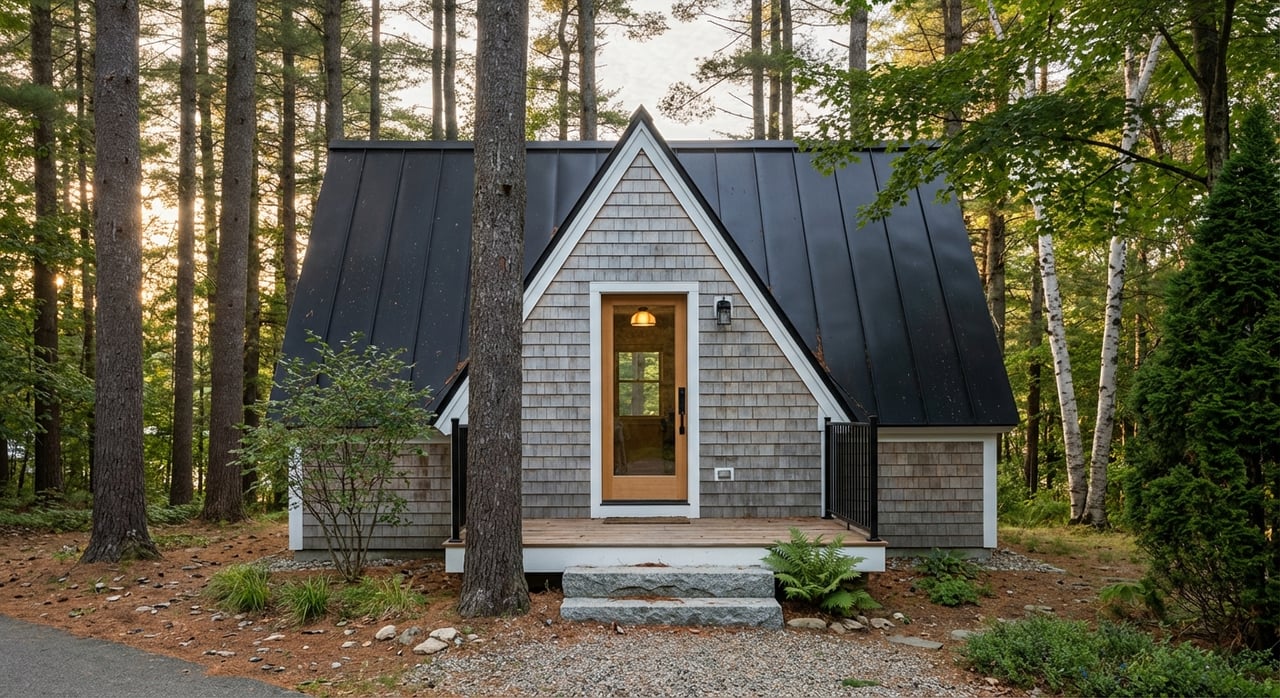
- Siding: fiber-cement, quality vinyl, or engineered cedar-look products that resist rot and insects.
- Roofing: metal or architectural asphalt shingles with long warranties and good snow performance.
- Decking and rails: capped composite or PVC decking with aluminum or metal railings; rot-resistant framing for lakeside decks.
- Windows and doors: vinyl or fiberglass frames with low-E glass for comfort and minimal upkeep.
- Foundations and crawlspaces: frost-protected details, sealed crawlspaces, and vapor barriers to reduce freeze-thaw wear and moisture issues.
Systems and documentation buyers ask for
- Well and septic: recent water test, septic pumping and inspection records, and any service notes.
- HVAC and insulation: a reliable furnace or mini-split heat pump and insulation that supports shoulder-season use.
- Drainage: grading and gutters that keep water away from the foundation.
Keep these documents organized and ready for showings. It signals a well-cared-for cottage.
Winter projects to finish before spring
- Replace loose or rotted deck boards and handrails; consider composite in high-traffic spots.
- Service the furnace or heat pump and test the water heater.
- Pump and inspect the septic system and keep the paperwork.
- Wash siding and windows, refresh trim or paint where needed, and clean gutters.
Small, visible improvements often deliver outsized buyer confidence.
Storage that works for lake life
Neat, secure gear storage helps buyers picture easy weekends. Focus on organization and safety.
Smart layouts
- A lockable shed sized for kayaks and paddleboards, with racks to save floor space.
- Built-in benches with storage for life jackets, footwear, and towels.
- Labeled bins, ventilated shelves, and wall hooks to dry and organize gear.
- Dedicated charging for trolling motors or portable batteries.
Safety and code basics
Store gasoline and propane safely in ventilated areas away from living spaces. If you add a shed or expand storage, confirm local setbacks, lot coverage, and permits with Onekama Township or Manistee County.
Dock and hoist setups for Onekama winters
Buyers want to know if they can boat right away and how the equipment is protected when the ice comes in.
Common dock types
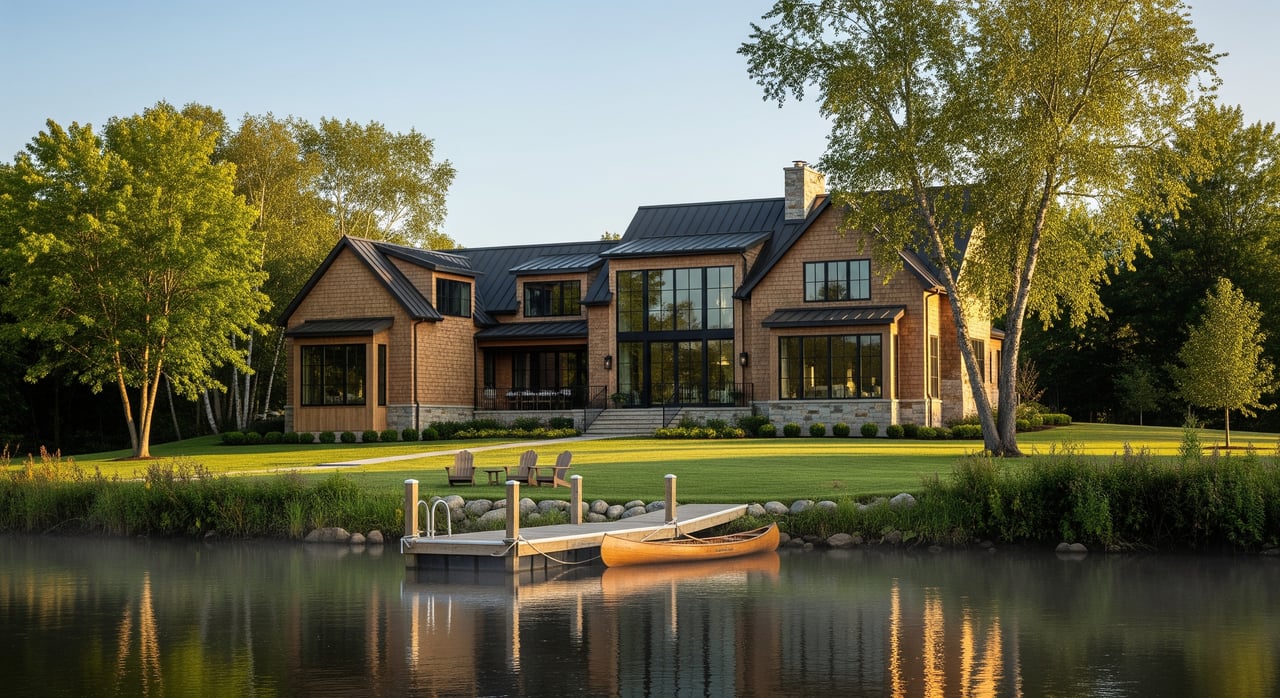
- Seasonal floating docks: removable for winter and adaptable to water-level changes; check float condition and hardware.
- Fixed pile docks or finger piers: durable if designed for local wave and ice conditions; look for breakaway sections or replaceable decking.
- Covered boathouses: useful but regulated; confirm permits and insurance details.
Lifts and winter strategy
- Vertical or stack boat lifts keep hulls out of the water for easy use. Electric lifts should be winterized and powered down.
- Manual hoists are cost-effective and simple to remove.
- Plan to remove or raise docks and lifts before freeze-up when feasible. If not, use ice-safe mounting systems and materials rated for ice loads.
Permits, insurance, and records
Many dock, hoist, and boathouse projects need state or local permits. Insurance can hinge on how equipment is installed and winterized. Keep permits, invoices, as-built drawings, and maintenance logs handy. These reduce questions and speed negotiations.
Seller checklist: winter to spring
Use this prioritized list to align with what buyers want most:
- Septic inspection and pump. Keep the written report.
- Well water test and service documentation.
- Deck and dock safety fixes and a written winterization plan or contractor receipt.
- Repair or replace rotted trim and siding; touch up paint.
- Upgrade select deck boards to composite in high-traffic areas.
- Organize storage with clear photos of racks, bins, and charging areas.
- Define the path to the water with gravel, boardwalk, or steps and trim brush while preserving native vegetation.
- Assemble permits and records for shoreline work, docks, and lifts.
- Capture off-season photos showing shoreline type, dock setup, storage, and major systems.
- Refresh curb appeal with clean windows, updated fixtures, and new door hardware.
What to photograph for your listing
- A full-lot shot showing the cottage, yard, and path to the water.
- Close-ups of the shoreline type and the linear feet of usable frontage.
- The dock and lift with details of how they’re stored or winterized.
- Storage solutions: shed interior, racks, mudroom benches, and charging.
- Exterior materials and decking in good light.
- Systems evidence: wellhead, septic access, furnace, and water heater.
Strong visuals answer buyer questions and support a higher level of trust.
Next steps
If you’re buying, use this list to focus showings on cottages with the frontage, storage, and dock setup that fit your lifestyle. If you’re selling, knock out the winter checklist so your cottage launches in spring with fewer objections and better first impressions.
Ready to talk through a specific Onekama property or craft a spring listing plan? Reach out to Steven A Elder for local guidance and a clear, step-by-step path to closing.
FAQs
What does “usable frontage” mean on Portage Lake?
- It refers to shoreline that’s practical for everyday use, such as a gentle entry for swimming, stable footing, and an accessible path from the cottage to the water.
Do I need permits for docks, lifts, or shoreline work in Onekama?
- Many projects require state and local approvals. Confirm details with Michigan EGLE and Onekama Township or Manistee County before you start work.
How do docks and lifts handle winter ice on Portage Lake?
- Best practice is to remove or raise equipment before freeze-up. If left in, use ice-safe mounting, breakaway sections, and materials designed for ice loads.
What low-maintenance materials do buyers prefer for lake cottages?
- Fiber-cement or quality vinyl siding, metal or architectural shingles, composite or PVC decking, and vinyl or fiberglass windows with low-E glass.
What storage features matter most to lake-home buyers?
- A lockable shed for kayaks and boards, wall racks, ventilated shelves and bins, bench storage in a mudroom, and safe, ventilated fuel storage away from living areas.
Which documents should sellers prepare before listing?
- Septic and well records, dock and shoreline permits, maintenance logs for lifts and decks, and recent service reports for HVAC and water heater.