Craving small-town charm with an easy Grand Rapids commute? Ada blends a walkable historic village, river views, and a calm suburban feel with quick access to city jobs and amenities. If you want parks, trails, and a community that gathers often, Ada is an appealing choice. In this guide, you will learn what daily life looks like, where people live, how the market behaves, and the practical details to check before you buy. Let’s dive in.
Location and feel
Ada sits just east and southeast of Grand Rapids, usually a short drive from the city center depending on your starting point. You experience a compact village core surrounded by suburban neighborhoods and rural roads along the Thornapple River. The area leans toward a calm, neighborly pace that many consider family friendly. Outdoor time is part of the rhythm here thanks to the river, local parks, and regional trails.
Housing options
Village homes
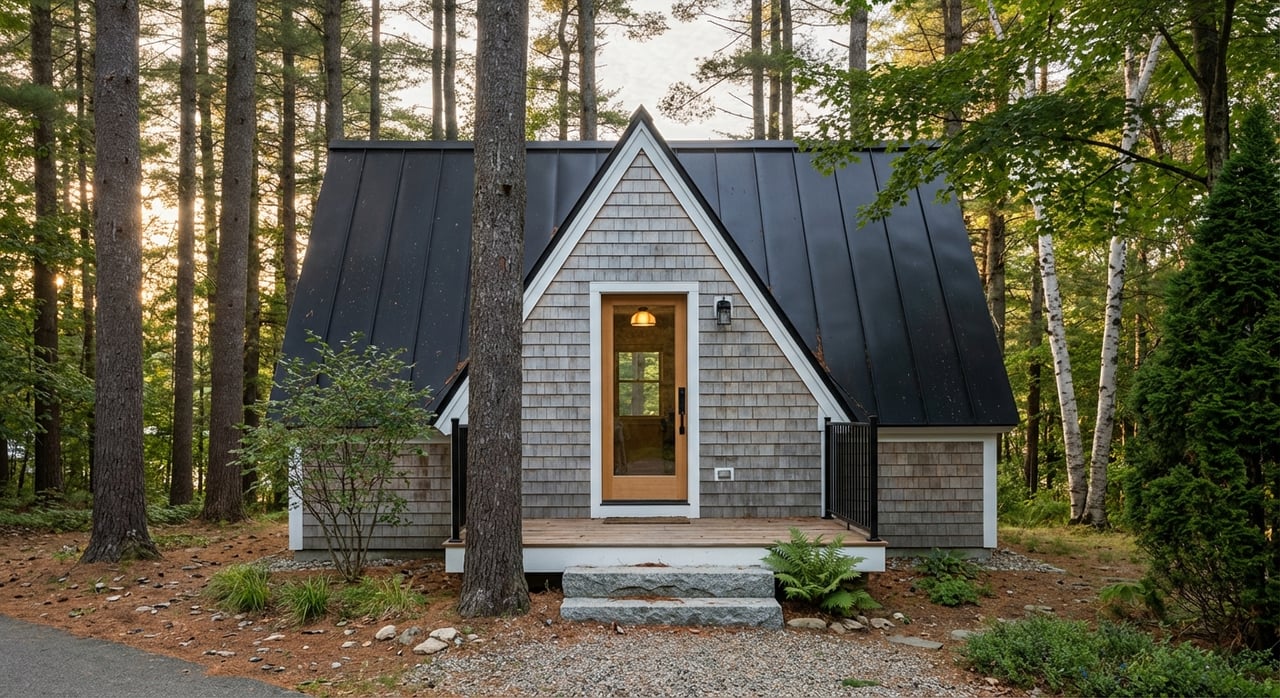
Close to the center, you find historic cottages and classic village-scale homes. Many have been updated to fit modern living while keeping their character. Lots tend to be smaller, which makes for easier upkeep and a quick walk to coffee, shops, and events.
Suburban subdivisions
Farther from the village, late 20th century and newer subdivisions offer single-family homes on moderate lots. These neighborhoods attract buyers who want more space, attached garages, and newer construction features. Sidewalks, cul-de-sacs, and quick access to schools and parks are typical.
Acreage and riverfront
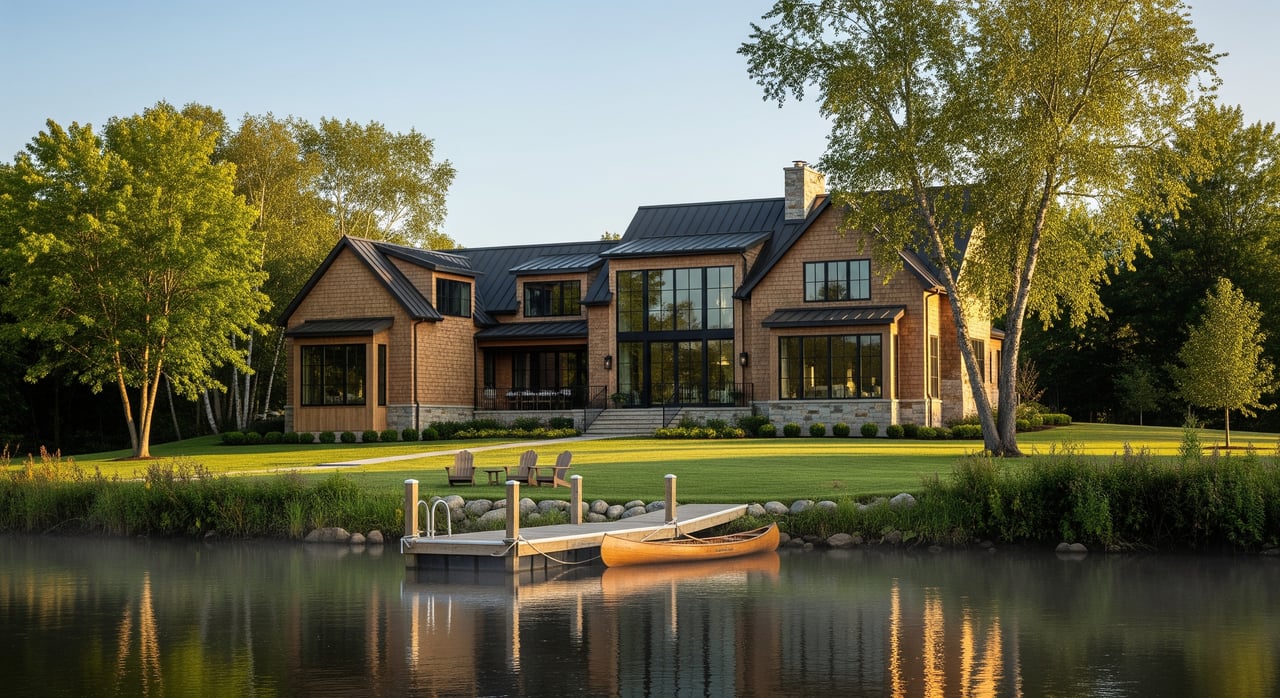
As you move outward, you reach larger parcels and estate-style properties. These settings often include wooded privacy, room for outbuildings, and in some cases river access or views. Riverfront living can be a lifestyle upgrade if you enjoy paddling or fishing, and it may also require extra due diligence on floodplain rules and insurance.
Condos and townhomes
Multifamily options exist but are not the dominant choice. You will find small clusters of townhomes and condos that appeal to buyers seeking low-maintenance living. Inventory can be limited compared with single-family homes, so plan ahead if you prefer this style.
What homes cost
In recent years, Ada and nearby Forest Hills neighborhoods have commanded a premium over the Grand Rapids median. Smaller village homes and dated starter properties can sometimes list in the low to mid hundreds of thousands of dollars. Many move-up single-family homes and newer builds trade in the mid hundreds of thousands. Riverfront, large-lot, or luxury new-construction properties can exceed 750 thousand to over 1 million.
Prices shift with season and inventory. Demand is steady from professionals and households who want the suburban and rural character near major employment centers. Spring and summer often bring the most listings and buyer activity, so if you plan to move in that window, get prepped early.
Getting around and commuting
Driving is the norm for most residents. The commute to downtown Grand Rapids commonly runs about 15 to 25 minutes depending on where you live in Ada and traffic at peak times. If your job sits east or south of the city, your drive may be similar or shorter.
Public transit is limited compared with the urban core, and many residents rely on personal vehicles. Within the village, walking and biking are very doable for errands and recreation. Local trails connect to broader regional routes, which makes it easy to add a ride or run into your weekly routine.
Schools and learning
Ada is served by Forest Hills Public Schools, a large suburban district just east of Grand Rapids. The district is regularly rated highly in statewide comparisons for academics and extracurricular offerings. Specific school assignments depend on your exact address, so always verify boundaries with the district before you buy. Families often choose Ada for the combination of school options, parks, and village life.
Parks, trails, and the Thornapple River
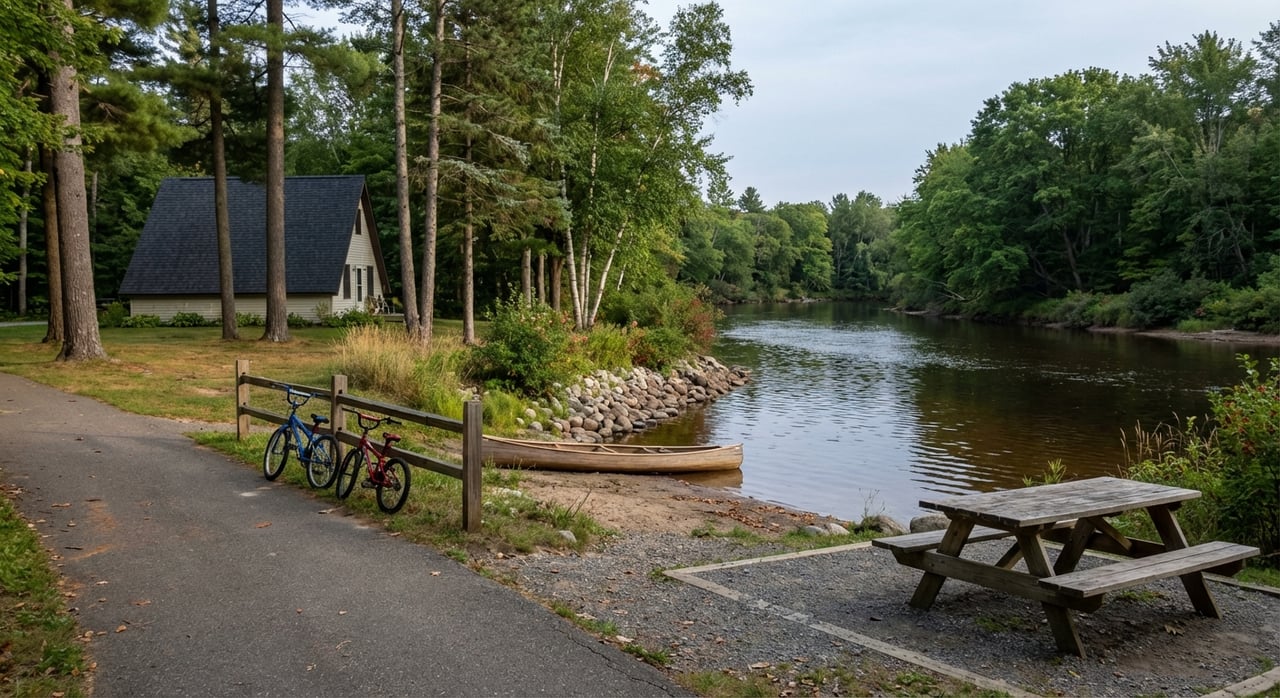
The Thornapple River is a defining feature for Ada. You can kayak, tube, and fish when conditions allow, and scenic corridors along the water offer peaceful views. Local parks provide playgrounds, open lawns, and trail loops for short walks or after-dinner bike rides. Regional trail connections make longer rides possible without loading the car.
The village core supports your routine, too. You will find cafés, casual restaurants, taverns, and specialty shops that make daily life convenient. Community events like seasonal markets and concerts add to the social fabric and make it easy to plug in.
Everyday amenities
For quick errands, the village and nearby corridors carry the basics. When you need bigger retail or specialty services, you are a short drive to Grand Rapids and its commercial districts. Healthcare and hospitals are also in the metro area, which keeps most appointments within a reasonable drive. Broadband service is generally strong in the metro, though speed and providers vary by address, especially on rural roads.
Practical buyer tips
Buying in a river and acreage market takes some extra homework. The payoff is a home that fits your lifestyle with fewer surprises after closing. Use this quick checklist as you tour properties:
- Verify utilities. Village homes are more likely to have municipal water and sewer. Rural parcels often use well and septic, which may require specific inspections and maintenance planning.
- Check flood risk if the property sits near the river or a stream. Review FEMA flood maps and local setback rules, then price potential insurance into your budget if needed.
- Review zoning and permit rules. If you plan to add an accessory building, split a lot, or convert a space for business, confirm what is allowed before making an offer.
- Estimate taxes and carrying costs. Property taxes reflect township and school district millages, and insurance needs can vary by location. Ask for sample tax bills and insurance quotes early.
- Confirm internet options. Service levels can vary on rural roads. If you work from home, verify speeds at the exact address.
- Map your commute at rush hour. Drive the route during peak times to understand real travel time.
- Confirm school assignments. Boundaries can shift. Use official district tools to check a specific address.
Who Ada fits best
Choose Ada if you want a calm, village-centered lifestyle with easy access to parks and trails. It suits commuters who value a short hop to Grand Rapids but prefer a quieter home base. It also speaks to buyers who want river access or larger lots without giving up proximity to city amenities. If you like to gather with neighbors for markets, concerts, and school events, you will likely feel at home.
How we help
Ada’s mix of village homes, suburban neighborhoods, riverfront properties, and acreage calls for local guidance. From well and septic questions to floodplain maps, and from subdivision trends to luxury new builds, you deserve clear answers. If you are buying, we help you identify tradeoffs between lot size, commute, and school boundaries. If you are selling, we lean on lifestyle marketing, strong visuals, and local data to position your home well.
Ready to take the next step in Ada or elsewhere in West Michigan? Let Steven A Elder help you find the right fit.
FAQs
How far is Ada from downtown Grand Rapids?
- Most residents drive, and typical travel time to the city center is commonly about 15 to 25 minutes depending on your exact starting point and traffic.
Which schools serve homes in Ada?
- Forest Hills Public Schools serves the area, and specific school assignments depend on your address, so verify boundaries with the district before you buy.
Are there condos or townhomes in Ada?
- Yes, but they are limited compared with single-family homes, so expect fewer choices and plan ahead if you want low-maintenance living.
What should I know about flood risk near the Thornapple River?
- Riverfront living can be rewarding, but you should review FEMA flood maps, local setback rules, and insurance needs for any property in a mapped flood zone.
Do Ada homes have municipal water and sewer?
- Many village-area homes do, while rural parcels often rely on well and septic, so confirm utilities and required inspections for each property.
How competitive is the housing market in Ada?
- Demand is steady for family buyers and professionals, inventory can be tight in popular pockets, and spring and summer often bring the most activity.