What if your morning walk ended at a Lake Michigan pier, your lunch was on a historic Main Street, and your evenings changed with the seasons? If you’re weighing a move or a second home, you want the real story on day-to-day life, not just vacation snapshots. In this guide, you’ll see how Manistee feels across spring, summer, fall, and winter, plus what to know about beaches, downtown, housing, and practical details like flood risk and winter care. Let’s dive in.
Why Manistee works for everyday life
Manistee sits where the Manistee River meets Lake Michigan on West Michigan’s shoreline. You get a quieter, historic lakeshore city with a walkable riverfront downtown and easy beach access. The local economy blends tourism, small businesses, services, and outdoor recreation, which supports year-round living. You’ll find the basics close by, with more specialized services in larger regional centers.
Summer: beaches and downtown in full swing
Beach days and boating life
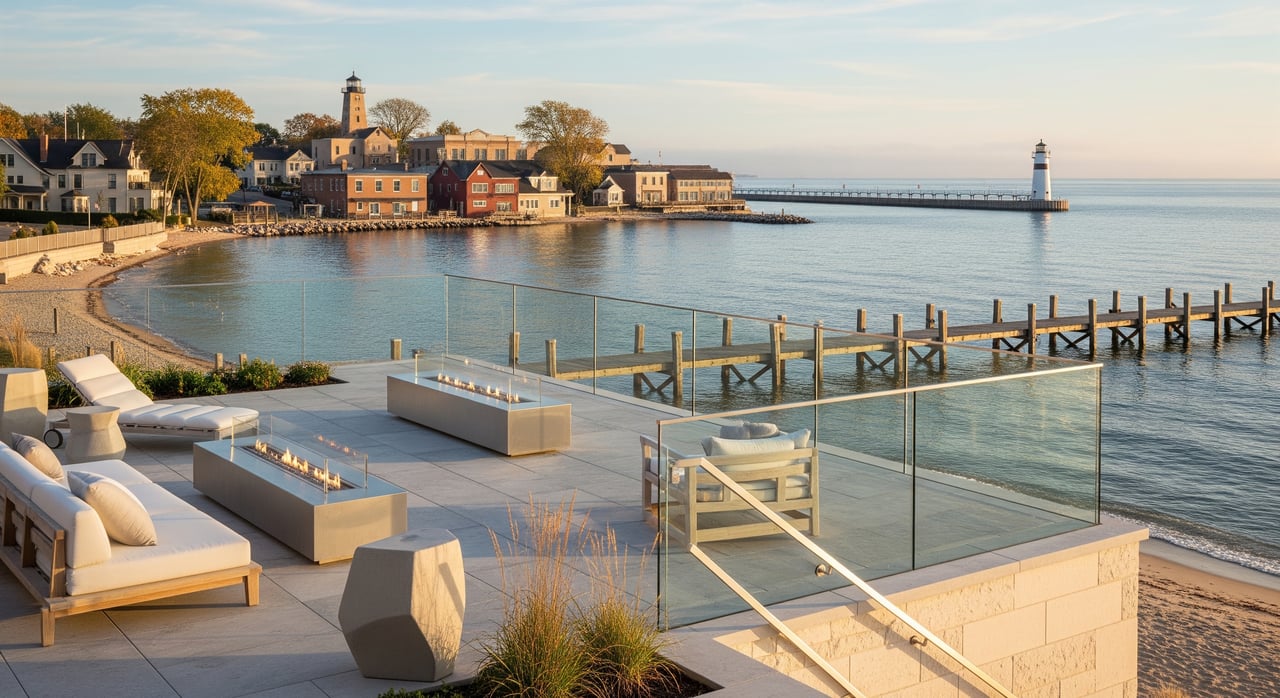
Summer is high season. Public beaches, piers, and sunsets are part of the daily rhythm. Marinas, launch ramps, and fishing charters hum with activity while sailboats and fishing boats head out early. You can plan your day around the water, then stroll the riverwalk in the evening.
Downtown rhythm: shops and dining
Historic storefronts, galleries, and local restaurants see their busiest months in summer. Patio dining, ice cream after the beach, and small festivals fill the calendar. The compact downtown makes it easy to combine errands with a quick stop along the river.
Practical summer tips
- Expect heavier parking and pedestrian traffic near beaches and marinas during peak weekends.
- If you have a boat, check marina slip availability well ahead of time.
- Vacation rentals and second-home showings peak, so plan buyer tours early in the week when possible.
Fall: color, calm, and fresh listings
Outdoor highlights
Cooler air and quieter shores make fall a favorite for locals. Leaf color draws visitors, yet trails and beaches feel relaxed and open. Nearby forest lands keep hiking and hunting season active.
Buyer and seller timing
Fall often attracts serious buyers who prefer fewer crowds and mild weather. Sellers may time listings to capture this window before winter. Properties show well with crisp light and colorful trees.
Prep for cooler weather
Shorter days signal heating-system checkups and basic home maintenance. If you own near the river or lake, schedule dock and boat removal before early storms arrive. It is a great season to evaluate insulation and windows.
Winter: quiet charm and snow days
What winter feels like
Winter brings cold and snowfall, including lake-effect periods. Downtown settles into a calm, small-town pace that many year-round residents appreciate. Plan for winter driving, reliable snow removal, and cozy evenings at home.
Winter recreation
You can enjoy cross-country skiing, snowmobiling, and nearby ice fishing when conditions allow. Trails in the region transform into winter routes for fresh-air exercise. The forest and shoreline feel peaceful after a fresh snowfall.
Home care basics in winter
- Winterize your home early to protect pipes and preserve heat.
- Budget for heating costs and set up regular snow removal.
- Keep emergency supplies and power backups on hand during storms.
Spring: reset, river, and trail season
River and flooding awareness
Spring thaw and runoff can raise river levels, which affects some riverfront and low-lying areas. If you’re buying near the river or Lake Michigan, review flood maps and local guidance. Factor spring conditions into inspections and insurance planning.
Getting homes and boats ready
As snow fades, homeowners shift to exterior maintenance and boat prep. Trails open up and the first hiking and fishing days return. Downtown ramps up for the coming summer while staying relaxed and local.
Beaches, riverwalk, and parks
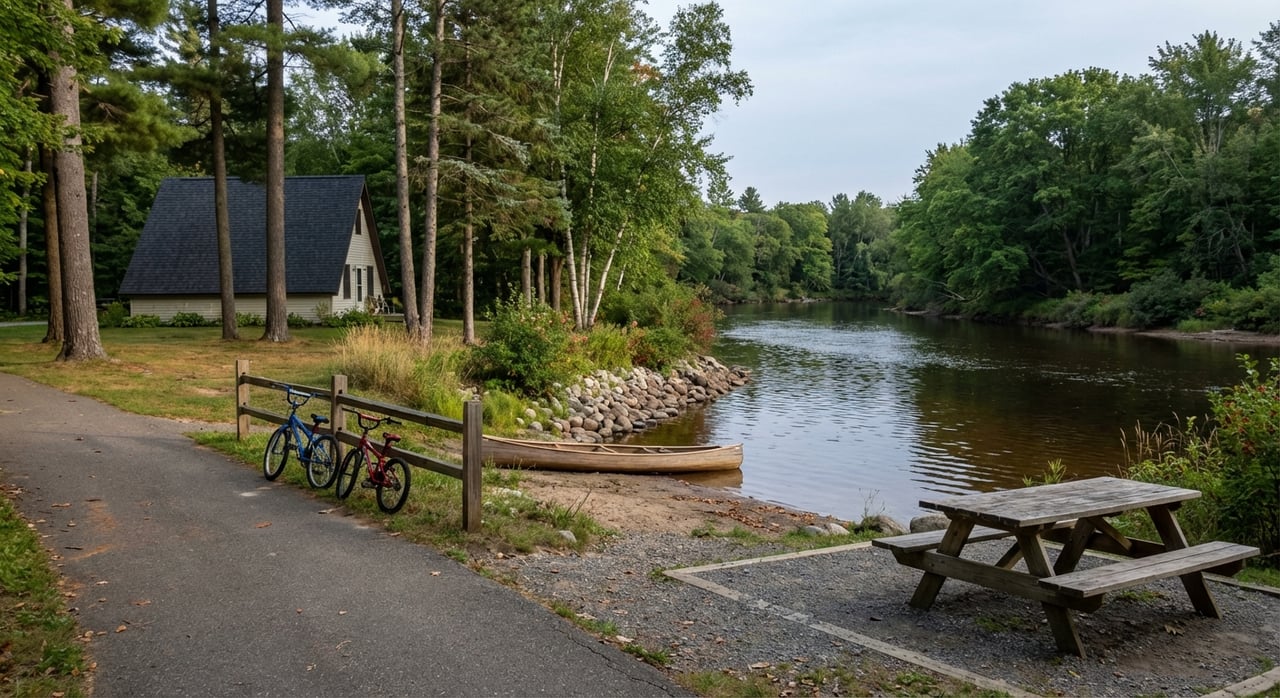
Manistee’s lakefront and riverwalk frame everyday life. Morning pier walks and sunset views are routine, not rare. Riverfront parks and public access points make it easy to meet friends, read a book, or launch a paddleboard. Nearby state and national forest lands add year-round trail options for hiking and biking.
Downtown living: walkability and culture
You can run quick errands, meet for coffee, and see a show within a few blocks of the river. Local shops and galleries anchor the core. Community events rotate with the seasons, adding personality without overwhelming crowds.
Housing styles and market rhythm
What you will find
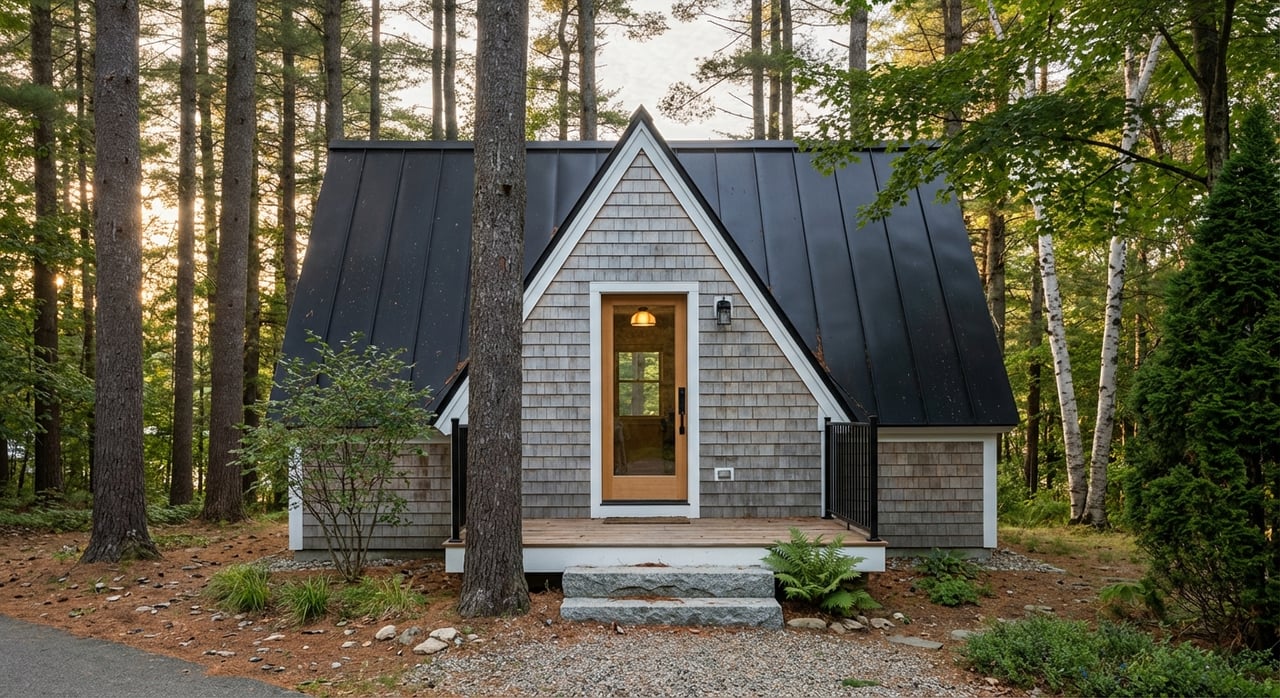
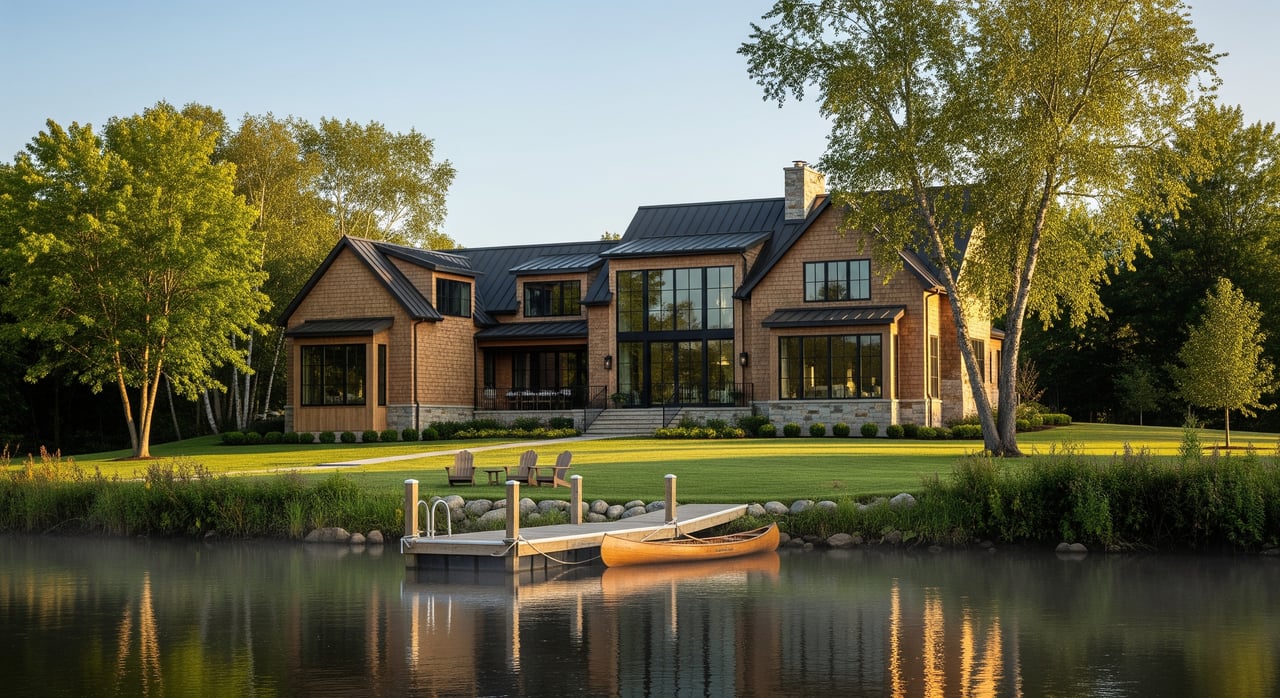
Housing includes historic Victorians and bungalows in town, cottages and newer builds near the water, and modest subdivision homes. Seasonal cottages and second homes are common. You can also find acreage and buildable lots within a short drive.
Who buys here
Buyers range from year-round residents to second-home seekers and rental investors. Some want walkable downtown access while others focus on boating, beach proximity, or trail access. Lifestyle goals tend to guide the search more than square footage alone.
Prices and inventory
Historically, Manistee’s costs have tended to be more approachable than the largest Lake Michigan resort markets. Listings often rise in late spring and early summer, and many sales cluster around the summer window. For today’s prices and inventory, use local MLS data and major listing platforms to cross-check trends before you tour.
Renting and short-term rentals
Seasonal demand climbs in summer, which attracts vacation-rental interest. Before you invest, review city and county rules for licensing, taxes, and zoning to ensure compliance. A clear plan for cleaning, maintenance, and guest communications helps protect your returns.
Risk and insurance checklist
Flood zones and shoreline
Riverfront and low-lying lakeshore parcels can face elevated flood risk. Review flood maps to confirm zone status and possible insurance requirements. Ask about elevation certificates when you write an offer.
Insurance and wind or hail
Shoreline properties may need specialized coverage or endorsements. Premiums can vary based on location, age, and construction type. Get quotes early if you are comparing multiple homes.
Winterization and upkeep
Older homes and waterfront structures benefit from seasonal checklists. Plan for dock removal and storage, furnace and chimney service, and pipe insulation. Regular maintenance preserves value and improves comfort year-round.
How Manistee compares nearby
Manistee is generally smaller and quieter than some larger resort hubs along Lake Michigan. That affects nightlife, retail variety, and crowd size. Many buyers see value in the balanced lifestyle: direct lake and river access combined with nearby forest recreation.
Plan your next step
If Manistee’s beaches, downtown, and four-season rhythm match your goals, start planning your move with local guidance. You can clarify shoreline rights, flood considerations, and buildability as you tour. For help narrowing neighborhoods and property types, connect with Steven A Elder for clear, local insight.
FAQs
When is the best time to visit Manistee to decide if it fits me?
- Visit in summer for the full beach and downtown experience, then return in fall for quieter tours and easy property viewings.
How does winter impact daily life in Manistee?
- Expect cold temperatures and snowfall, including lake-effect periods, so plan for snow removal, winter driving, and reliable heating.
Are year-round services like healthcare and groceries available in Manistee?
- Yes, everyday essentials and local medical care are available locally, while specialized services are typically in larger regional centers.
Is Manistee a good place to buy a vacation rental?
- Many properties rent seasonally, especially in summer, but you should confirm local short-term rental rules, licensing, and taxes before investing.
Should I worry about flooding or erosion when buying near the water in Manistee?
- Some riverfront and low-lying parcels face higher flood risk, so review flood zones, consider elevation certificates, and price appropriate insurance before you buy.