Thinking about a Grand Haven second home but not sure what your weekends would actually feel like? You want sand, sunsets, and a simple routine that works for you and your guests without stress. In this guide, you’ll learn how Grand Haven weekends flow by season, what that means for ownership, and how to plan for parking, events, short-term rental rules, and costs. Let’s dive in.
Why Grand Haven works on weekends
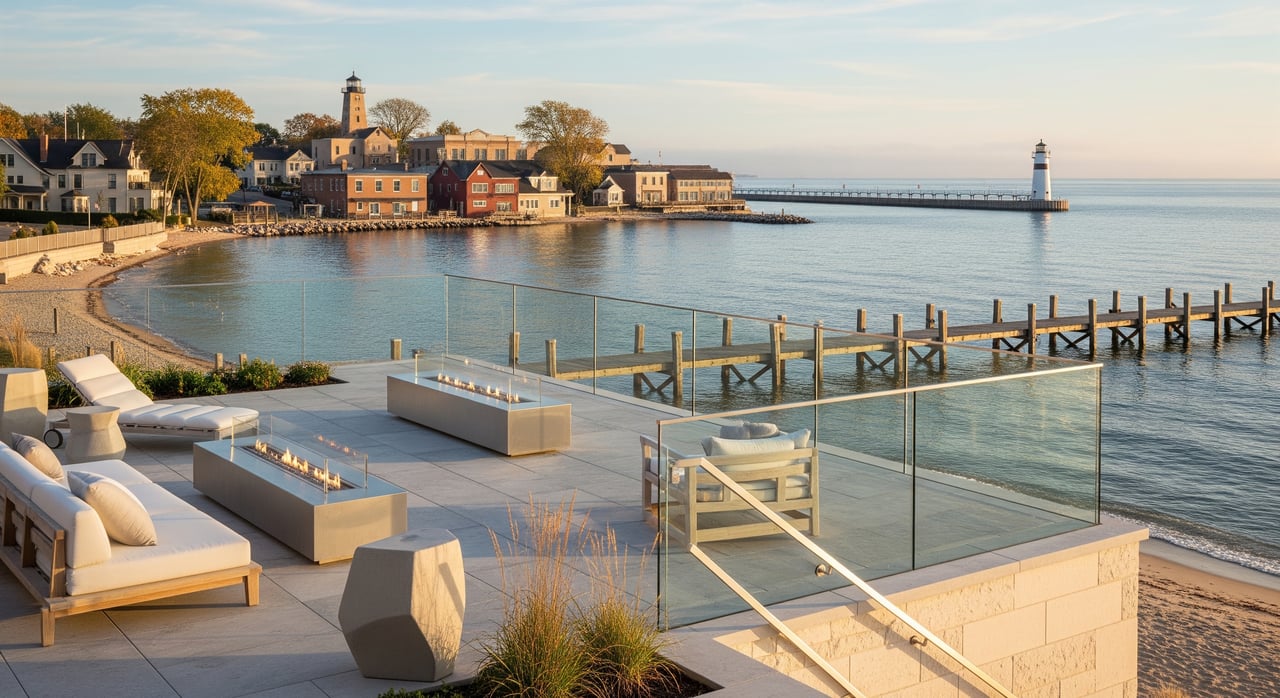
Grand Haven gives you a compact, walkable waterfront with big-lake scenery. The 1.5‑mile Lighthouse Connector Park boardwalk ties downtown to the iconic red lighthouses, so your beach day, dinner plans, and sunset stroll can all happen without getting in the car.
Right next to downtown, Grand Haven State Park offers a wide sandy beach and easy access to the pier. At dusk, the Grand Haven Musical Fountain draws a nightly crowd in summer with free, choreographed shows that become a simple, repeatable plan with guests.
Add in a Saturday stop at the Grand Haven Farmers Market and a dinner reservation on Washington Avenue, and your weekend is set. If boating is part of your lifestyle, regional marinas support seasonal and transient slips, though availability tightens in peak months.
What weekends feel like by season
Peak summer: late June to early August
Expect full beaches by late morning, a lively boardwalk all day, and lines at waterfront spots near sunset. The Musical Fountain runs nightly, so evenings have steady foot traffic. If you are aiming for big-event energy, the Coast Guard Festival in late July and early August is the region’s largest draw with parades, concerts, and ship tours. Plan for road closures, limited parking, and booked lodging that week.
Parking strategy matters on hot weekends. Downtown and state-park lots fill early, especially around midafternoon and sunset. Use the weekend Beach Express shuttle to avoid circling, or park a few blocks off the core and walk.
Shoulder seasons: May, early June, September
You still get energy on weekends without summer crowds. The Musical Fountain typically adds select weekend shows in May and September, which makes these months great for quieter visits with reliable evening plans. Some restaurants reduce hours, so check schedules and make reservations when possible.
Winter: calm and practical
Winter is quiet and ideal for projects, recharging, and enjoying a less crowded downtown. If you leave a home vacant in freezing months, plan a clear winterization routine and an on-call local contact. Snow removal and freeze protection are essential for lakeshore second homes.
Tip: Event and fountain schedules are set annually. Always confirm dates on the Musical Fountain site and the Coast Guard Festival page before booking travel.
Attractions that shape buying decisions
Boardwalk and pier access
Living near the boardwalk gives you true walk-everywhere weekends. You will be close to restaurants, the river, and sunset views. In peak summer, expect more foot and vehicle traffic, evening noise, and limited on-street parking.
Grand Haven State Park beach
Grand Haven State Park packs a lot into a compact shoreline, so it is a high-demand summer zone. Buying close to the beach boosts convenience and guest appeal. Be ready for weekend parking pressure and crowds when the forecast is hot and sunny.
Downtown rhythm and farmers market
The Grand Haven Farmers Market at Chinook Pier and shops along Washington Avenue create an easy-going, village-scale routine. If you want a simple weekend where you park once and stroll, being within a short walk of these anchors is key.
Boating and marinas
Grand Haven supports municipal and private marinas with seasonal and transient slips. Availability tightens in peak months and waitlists can apply. If a boat is central to your plan, confirm slip options early and factor marina distance into your property search.
Weekend logistics to plan ahead
Parking and arrival tips
- Arrive early for beach or sunset on peak weekends.
- Consider the Beach Express shuttle to avoid hunting for spaces.
- If you rely on on-street parking near downtown, review city parking rules for time limits, kiosks, and overnight permits.
Neighborhood vibes to sample
- Waterfront and harbor-front: highest walkability, easy access to the boardwalk and events, more summer activity and traffic.
- Center Town and Washington Avenue: short walk to dining and the market without sitting right on the sand.
- Nearby residential areas in Grand Haven Township or Spring Lake: quieter streets and more privacy, a short drive to the waterfront routine.
If you plan to rent when you are away
The City of Grand Haven regulates short-term rentals. Registration and a Certificate of Compliance are required, and STRs are only allowed in specific zoning districts with parking rules. Before you buy, review the city’s rental housing and STR program and confirm eligibility for the exact address.
- Build your guest plan around parking rules and beach demand.
- Share shuttle info, show times, and dining tips in your house guide.
Costs, taxes, and market context
Michigan’s Principal Residence Exemption applies only to your primary home. A second home in Grand Haven does not qualify, which means you will pay non-homestead school operating millage. Review details with your advisor and the local assessor, and read the state’s guidance on the Principal Residence Exemption.
Market pricing varies widely by location and property type. Zillow’s snapshot showed an average Grand Haven home value around $379,000 as of late January 2026, while other vendors report different medians. Treat these as broad context, and use fresh, address-level comps before you write an offer.
Smart second-home ownership basics
- Winterization and insurance: Create a written freeze-protection and snow plan, and confirm coverage for vacancy and wind or wave exposure.
- Boat strategy: If boating matters, research marinas and slip timing in advance.
- Guest logistics: Decide how many cars you can reliably host, share parking guidance, and set expectations for beach arrival windows.
A simple 48-hour playbook
Summer weekend
- Friday: Park once, grab dinner downtown, then walk to the Musical Fountain at dusk.
- Saturday: Beach by midmorning, late lunch on Washington Avenue, sunset on the pier.
- Sunday: Coffee and the farmers market, then one more boardwalk stroll before heading out.
Shoulder season weekend
- Friday: Quiet dinner downtown, sunset watch along the river.
- Saturday: Late breakfast, browsing shops, select weekend Fountain show in May or September.
- Sunday: Slow walk on the beach, early drive home before traffic.
Ready to explore how these patterns line up with your goals, whether that is pure retreat or some rental income on peak weeks? Reach out to Steven A Elder for locally grounded guidance on neighborhoods, STR rules, and on-the-ground logistics.
FAQs
When is Grand Haven the busiest on weekends?
- Late June through early August, especially during the Coast Guard Festival. Expect full beach lots by midday and crowds at sunset.
Are short-term rentals allowed in the City of Grand Haven?
- Yes, but only in specific zones and with required registration and a Certificate of Compliance. Review the city’s rental program and confirm address eligibility.
Where should I buy for the best walkability to the beach and pier?
- Look near the riverfront, boardwalk, and state park for the most walkable experience. Proximity brings easy access and more summer activity.
How hard is beach parking on summer weekends?
- Lots fill early, especially on hot days and at sunset. Plan to arrive before late morning, use municipal lots, or ride the Beach Express shuttle.
What taxes apply to a Michigan second home?
- Second homes do not qualify for the Principal Residence Exemption, so you will pay non-homestead millage. See the state’s PRE overview for details and confirm with your assessor.
Can I find a boat slip in Grand Haven?
- Marinas support seasonal and transient slips, but peak-season availability can be tight. Contact marinas early and factor slip access into your property search.
What should I plan for in winter if the home is vacant?
- Set up a winterization routine, freeze protection for plumbing, snow removal, and an on-call local contact. Confirm insurance coverage for vacancy and weather-related risks.