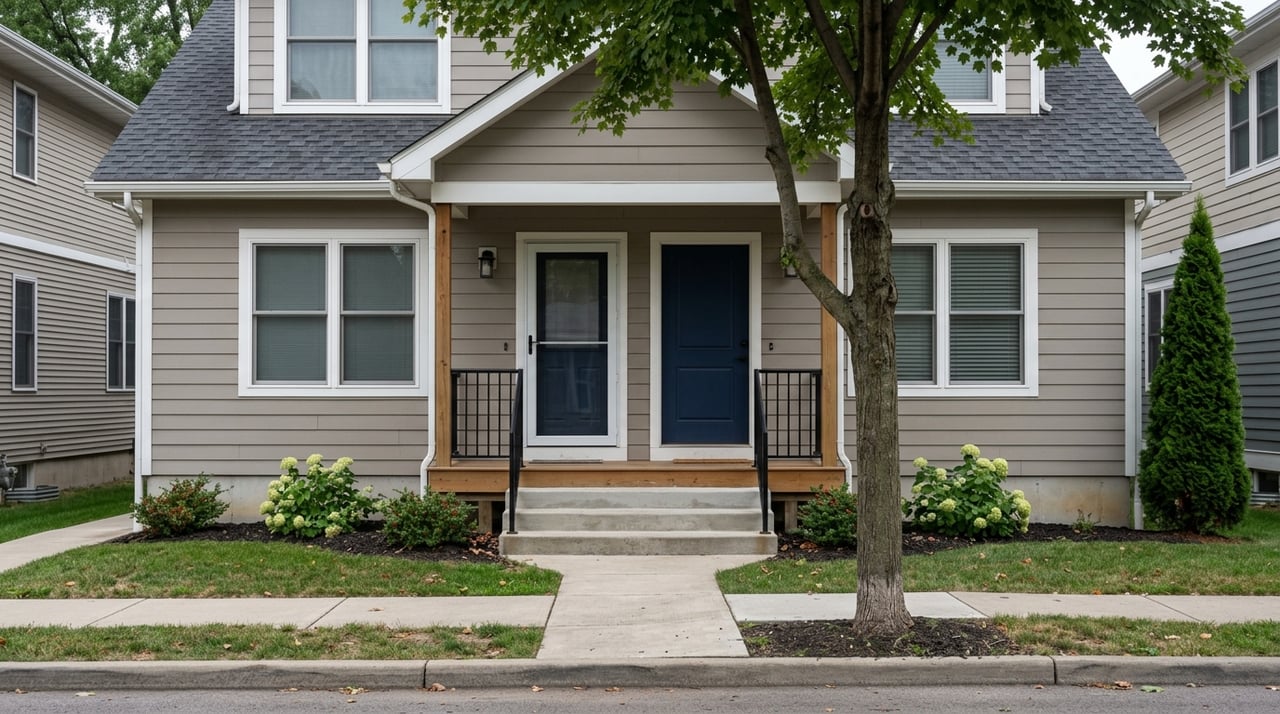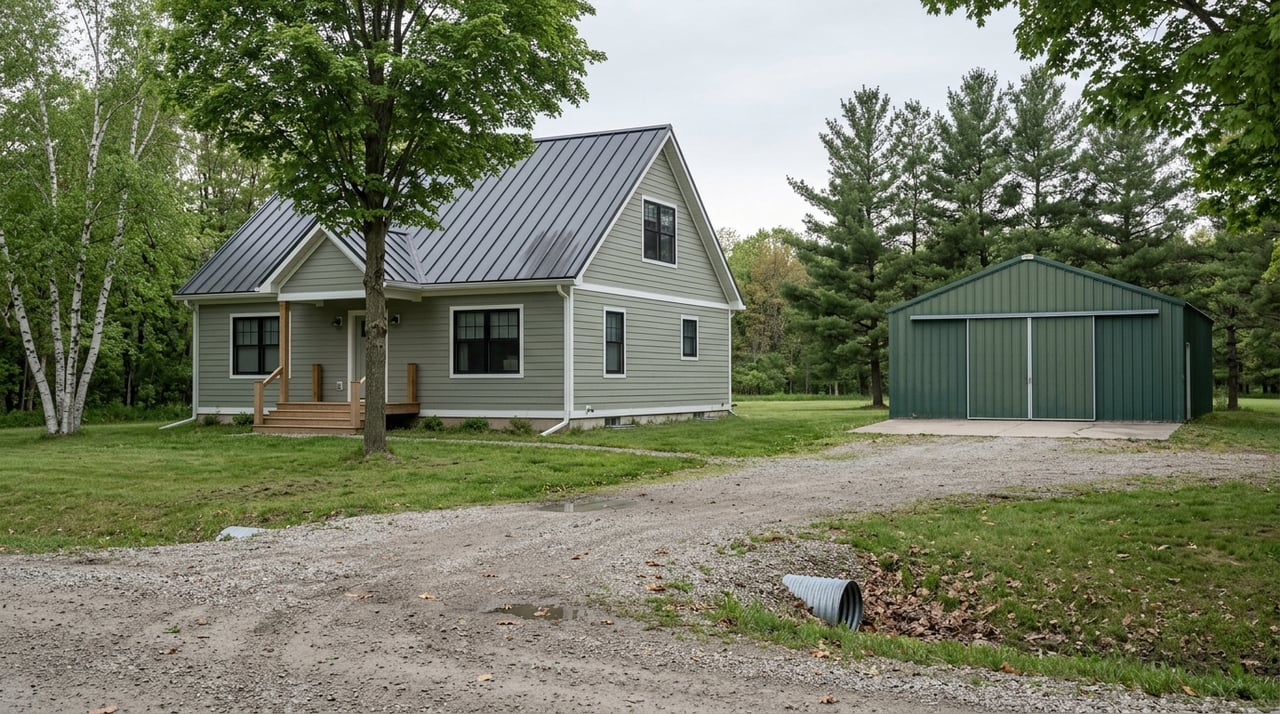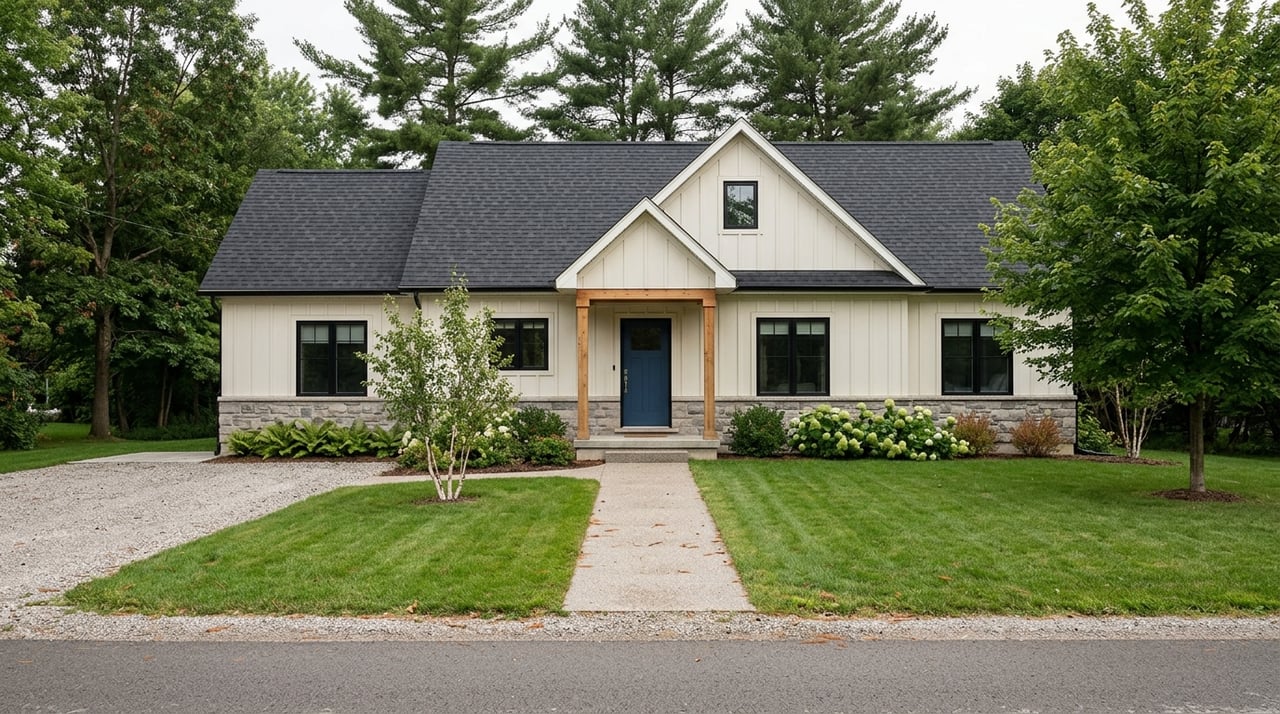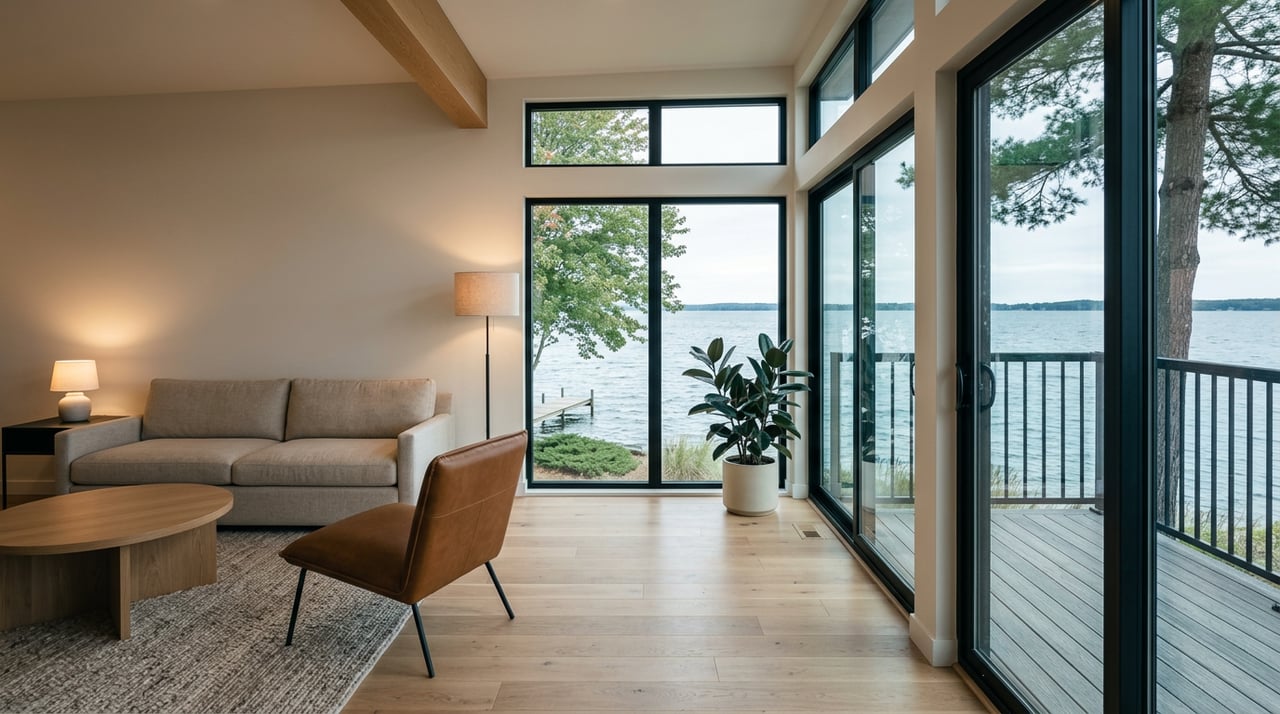
Love the idea of waking up to water views but not sure if a condo or a single-family home fits you best in Muskegon? You’re not alone. When you are weighing lifestyle, costs, boat access, and rules, the right choice is not always obvious. In this guide, you’ll compare what truly matters on Muskegon Lake and along Lake Michigan, from HOA fees to slip rights and flood insurance. Let’s dive in.
Muskegon market snapshot
Muskegon remains affordable compared with many Great Lakes towns. As of early 2026, the city’s median sale price is about the mid‑$160Ks, according to Redfin’s Muskegon market data. Zillow’s local index shows an average home value near the upper $170Ks (Zillow Muskegon home values).
Waterfront properties trade at a premium over citywide medians. In neighborhoods along Muskegon Lake and near Lake Michigan, list prices commonly run higher. Waterfront condos with views or slip access can range roughly from the low $200Ks to higher tiers, and new or premium marina-front units can reach the upper bands. Academic research confirms that water access and water quality often command measurable price premiums over non-waterfront homes (study on lakefront price premiums).
Waterfront condos: how they work
Maintenance and monthly fees
In a condo, exterior upkeep and common areas are handled by the association. That often covers the roof, siding, landscaping, snow removal, and marina or pier maintenance when the complex owns those elements. HOA dues vary by building. Recent Muskegon waterfront listing examples show a general range around a few hundred dollars per month. Before you buy, request the current budget, the most recent reserve study, and the special assessment history. The Community Associations Institute notes that a solid reserve study is a key indicator of financial health (CAI reserve study guidance).
Insurance basics
Most associations carry a master policy that insures the building shell and common elements. You still need an HO‑6 policy for your unit’s interiors, finishes, contents, and liability. Ask for a copy of the master policy and clarify whether coverage is “walls in” or “bare walls.”
Boat slips and access
Slip rights vary by complex. Some slips are deeded to specific units. Others are leased seasonally or assigned by the association. Your purchase should clearly state whether the slip rights are deeded or granted by separate agreement. The Michigan Condominium Act sets the framework for master deeds and documents that govern common elements and use rights (Michigan Condominium Act). If you plan to keep a boat in town but your complex does not include a slip, the City’s Hartshorn Municipal Marina offers public slips and launch options on Muskegon Lake.
Rental rules
If you want rental income, confirm the condo’s rental policy first. Some associations allow long-term leases but restrict or ban short-term rentals. The City of Muskegon also requires a short-term rental license, with safety standards, fees, and enforcement spelled out in the City’s guide (Muskegon Short-Term Rental Guide).
Best fit for condos
Choose a condo if you want:
- Lower day-to-day maintenance and a lock-and-leave setup.
- Potential building amenities like shared marina access.
- Predictable exterior upkeep in exchange for HOA dues.
- A setting where rules and financials are clearly documented.
Waterfront single-family homes: what to expect
Maintenance and control
Owning a house on the water gives you more privacy and control over shore use, but also more responsibility. You handle shoreline care, docks, seawalls or riprap, and all exterior systems. If you plan new or replacement shoreline structures, know that Great Lakes bottomlands and areas lakeward of the ordinary high-water mark are governed by Michigan’s public-trust law. Permits matter for docks, seawalls, and dredging under the Great Lakes Submerged Lands Act (Great Lakes Submerged Lands Act overview).
Insurance and flood risk
Single-family owners typically carry an HO‑3 homeowner policy. Flood damage is not covered in standard policies. Lenders will require flood insurance if the property lies in a Special Flood Hazard Area, and waterfront homes outside mapped zones can still face elevated risk. Always check FEMA maps and get a quote early in due diligence (FEMA FloodSmart).
Boat access options
With a home, you may secure private dock rights if they are recorded and permitted. If private mooring is not feasible, public and private marina slips on Muskegon Lake can still provide easy access. Hartshorn Municipal Marina is a convenient in-town option for launching and seasonal berthing.
Best fit for homes
Choose a single-family house if you want:
- Exclusive shoreline control and a private yard.
- The freedom to customize docks or outdoor spaces, subject to permits.
- Fewer shared rules and more autonomy over your property.
- Willingness to manage shoreline and exterior maintenance directly.
Short-term rentals: rules to know in Muskegon
If rental income is part of your plan, confirm two layers of rules. First, check the property’s HOA or condo documents to see what is allowed. Second, the City requires a short-term rental license and inspection. The City’s guide details application steps, safety requirements, and fees (City of Muskegon STR Guide). The City also adopted neighborhood caps and limits for STRs that affect where and how many can be licensed (news on Muskegon’s STR cap ordinance). Budget time to review both sets of rules before you make an offer.
Costs, fees, and hidden variables
- Purchase price. Waterfront commands a premium that scales with view quality, slip rights, and proximity to Lake Michigan. Citywide values are lower on average than waterfront values, as shown by Redfin and Zillow.
- HOA dues. For condos, dues fund exterior upkeep, building insurance, and marina care when applicable. Ask for the budget, reserve study, and any planned special assessments.
- Flood insurance. Get a written quote tied to the property’s elevation and foundation type. Start with FEMA’s tools and request an elevation certificate if needed (FEMA FloodSmart).
- Shoreline projects. For single-family properties, factor in dock repairs, seawall work, and permitting timelines under Michigan’s public-trust framework (Great Lakes Submerged Lands Act).
Boat slips and shoreline rights: what to verify
- Deeded vs leased slip. If a slip is “included,” ask to see the recorded deed or the document that ties the slip to the unit or parcel. If it is seasonal or assigned, request the current policy and waitlist details.
- Master deed details. In condos, confirm whether slips are limited common elements, general common elements, or separately deeded property under the Michigan Condominium Act.
- Permits and maintenance history. For homes, request copies of any dock, seawall, or dredging permits and recent maintenance records. Work without permits can create future risk.
Decision framework: condo vs home
Use this simple checklist to compare two properties side by side.
- Price and running costs
- Compare list price and recent local comps.
- For condos, confirm dues, what they cover, and the current reserve balance.
- Get an early flood insurance quote for any waterfront property.
- Governance and rules
- For condos, review the master deed, bylaws, budget for 3 years, the latest reserve study, and meeting minutes for the past 12 months (CAI reserve study guidance).
- Confirm rental policies and how they align with City licensing rules (Muskegon STR Guide).
- Boat access and shoreline
- Verify whether slip rights are deeded or leased. Ask for recorded documents.
- For homes, confirm permits and shoreline condition. Identify any upcoming work.
- Physical and hazard checks
- Order a survey that confirms boundaries and shoreline markers.
- For homes not on sewer, plan a septic inspection. For all, schedule a thorough structural inspection that pays attention to decks and shoreline structures.
- Review FEMA maps and request an elevation certificate if needed (FEMA FloodSmart).
- Negotiation levers
- For condos, request the master insurance declarations and the reserve study summary. If major projects are forecast, negotiate credits.
- For homes, use documented shoreline repairs or seawall needs as negotiation points or require escrowed funds for remediation.
Value drivers and common risks on Muskegon’s shore
Water view quality, proximity to Lake Michigan beaches, boat access, walkability to marinas and downtown, and strong association financials all support long-term value. Academic work shows that waterfront and water quality contribute to pricing power over time (evidence on water amenity premiums).
Risks to watch include fluctuating lake levels and waves, shoreline erosion, underfunded HOA reserves, and unexpected insurance changes. Ask for documentation, permits, and budgets so you can price both the joy of lake life and the real cost of owning on the water.
Ready to compare specific Muskegon listings, line up the right inspections, and verify slip and shoreline details? Reach out to Steven A Elder for calm, local guidance across West Michigan’s lakes and neighborhoods.
FAQs
What costs are unique to Muskegon waterfront condos?
- Expect HOA dues that fund exterior upkeep, common-area insurance, and marina maintenance when applicable. Ask for the budget, reserve study, and any special assessments.
How do I confirm a condo’s boat slip really comes with the unit?
- Request the recorded document tying the slip to the unit and review the master deed and bylaws under Michigan’s Condominium Act to verify use rights and transferability.
Do Muskegon single-family waterfront homes need special permits for docks?
- Many shoreline structures require permits under Michigan’s Great Lakes public-trust rules, so ask for existing permits and consult the Great Lakes Submerged Lands Act.
Will I need flood insurance on Muskegon Lake or Lake Michigan?
- It depends on location and elevation. Check FEMA maps and get a quote early, since standard homeowner policies do not cover flood damage.
What should I know about short-term rentals in Muskegon?
- You must comply with the City’s STR licensing and any HOA rules. Check the City’s STR guide for registration, inspections, fees, and current neighborhood caps.