Thinking about a move to Lowell, Michigan? If you want small-town charm, riverfront scenery and easy access to Grand Rapids, this could be a strong contender. You might be weighing schools, commute times, home prices and how the outdoor lifestyle fits your routine. In this guide, you’ll get a clear look at Lowell’s housing, schools, amenities, commute and due diligence items so you can decide with confidence. Let’s dive in.
Lowell at a glance
Lowell is a small city along the Flat River where it meets the Grand River, with about 4,100 residents in the city limits. The broader 49331 area includes more rural neighborhoods and larger lots. You get a compact historic downtown, nearby trails and a community that plans for parks and public spaces. For quick context, see the recent Census snapshot and the city’s Recreation Plan that describes downtown, parks and the Riverwalk.
- City profile: CensusReporter overview of Lowell
- Parks and Riverwalk: City of Lowell Recreation Plan
Commute and getting around
If you work in Grand Rapids, the drive is a big factor. The distance to downtown GR is roughly 17 to 20 miles, and the drive is often about 20 to 30 minutes under typical conditions, depending on time of day and your exact start and end points. Always test your route during your normal commute hours to confirm real-world times. For a reference point, review this sample routing between Lowell and Grand Rapids.
- Drive-time reference: Lowell to Grand Rapids
Public transit is limited compared with closer-in suburbs. The Rapid’s fixed routes focus on the core metro, and outlying areas rely more on demand-response services. Plan on a car-first commute if you choose Lowell.
- Transit context: Regional transit planning reference
Schools overview
Lowell Area Schools serve the city and surrounding neighborhoods. The district publishes Annual Education Reports and school improvement plans with detailed outcomes. Families often shortlist Lowell because the district shows strong performance on key state measures compared with many regional peers. Review the most recent report to understand graduation rates, test results and any new initiatives.
- District performance: Lowell Area Schools Annual Education Report
Tip: Verify school boundaries for any specific property before you write an offer, since lines can differ between the city and surrounding townships.
Housing and neighborhoods
Lowell’s housing stock ranges from in-town historic homes to newer river-adjacent subdivisions and rural acreage. Price snapshots vary by which boundary and metric you use. City-limits sold-price medians can be lower than ZIP-level list medians that include larger or newer homes. For practical planning, budget for a “typical single-family” range of about $250,000 to $600,000 depending on location, lot size, age and river proximity, with premium riverfront or acreage often above that range.
- Market tone and pace: Local MLS/ShowingTime report
In-town homes near downtown
If you value walkability to Main Street, you’ll find early to mid-20th-century homes on smaller lots. These neighborhoods offer a mix of modest single-family houses and some renovated historic styles. You’ll trade larger yard size for proximity to shops, the Riverwalk and community events.
Newer builds and river-access areas
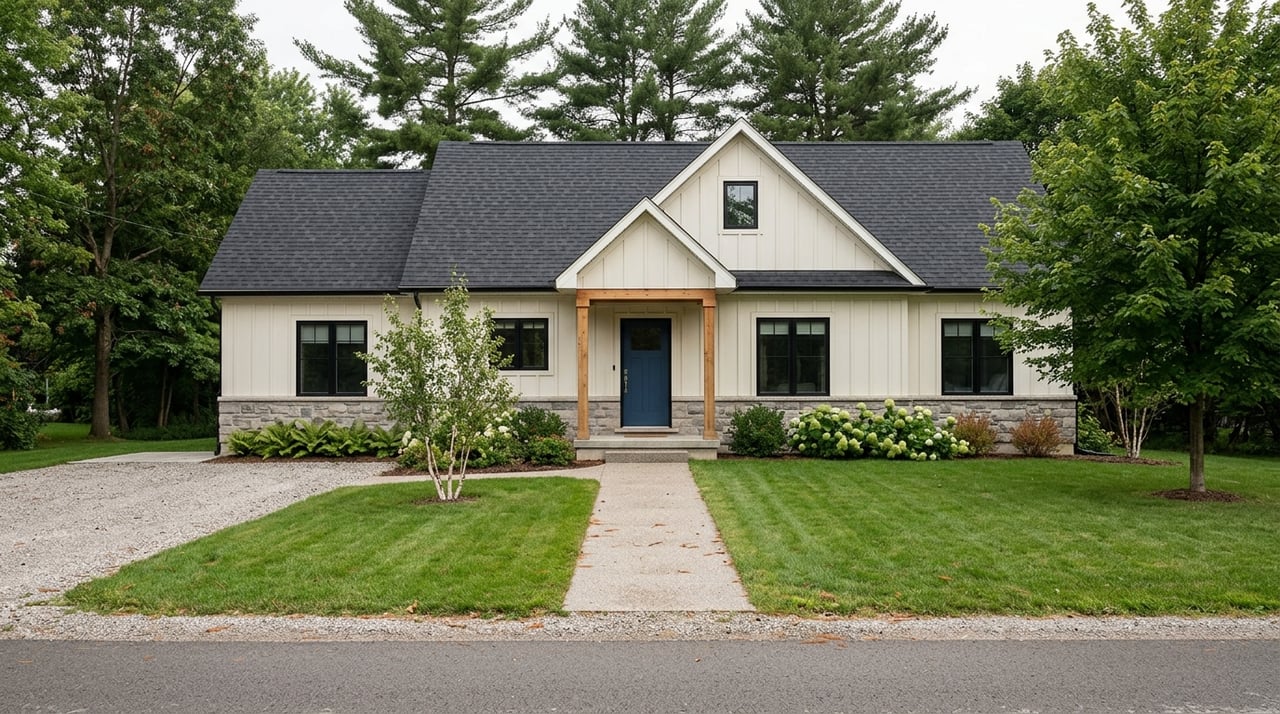
Newer subdivisions and river-adjacent pockets tend to offer larger floor plans, attached garages and lots that range from about a quarter acre to over an acre. Expect pricing to move higher when you add water access, scenic views or modern finishes. These areas appeal if you want space but still want a short drive to downtown Lowell.
Rural homes and acreage
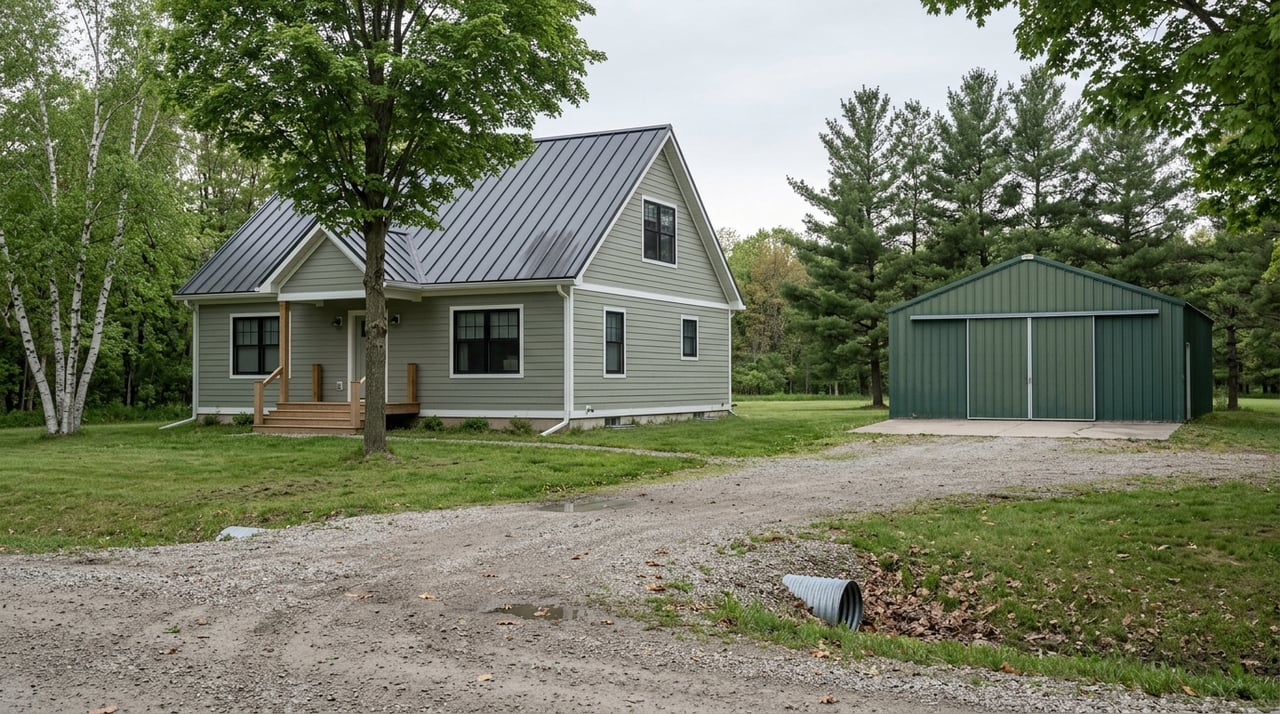
Outside the city limits, you’ll find properties on multi-acre tracts. These work well if you want privacy, room for outbuildings or a hobby-farm setup. Budget for well, septic and driveway maintenance, and check zoning and utility access during due diligence.
Outdoor lifestyle
Lowell’s setting on the Flat River is a daily lifestyle perk. You can walk the Riverwalk, put in a kayak, or enjoy seasonal views without leaving town. The river is part of Lowell’s history and culture, and the waterfront helps anchor community events.
- River history and features: Flat River overview
You also have access to regional trail networks. Segments of the Fred Meijer and Flat River trails connect to longer multi-use paths for biking, running and winter use. This makes year-round recreation simple.
- Trail connections: Regional trail resources
Flood and riverfront due diligence
Riverfront living requires a few extra checks. The Grand River system, including the Flat River, has a documented flood history. Before you buy, review FEMA flood maps, the city or township floodplain maps and the regional hazard plan. If a property is in a flood zone, budget for flood insurance and discuss mitigation measures with your insurer and inspector.
- Hazard background: Greater Grand Rapids Hazard Mitigation Plan
Day-to-day amenities
Downtown Lowell offers a compact, walkable Main Street with restaurants, coffee and local shops. The city hosts a seasonal farmers market and year-round events that bring neighbors together. For everyday errands, you’ll find larger grocers and services along the main corridors, which keeps shopping practical for commuters.
Who tends to thrive in Lowell
- Families who value public K–12 options and community programming. Review the district’s reports to understand outcomes and offerings.
- Outdoor and trail enthusiasts who want easy access to the water and multi-use paths.
- Commuters who prefer a small-town base with a manageable drive to Grand Rapids.
- Buyers seeking more land or river-adjacent settings who are comfortable with well/septic and property maintenance.
Who might not love it
If you need frequent, reliable fixed-route transit to a downtown office without driving, Lowell may feel limiting. The area is largely car-dependent compared with denser inner-ring suburbs, so plan accordingly.
Smart comparison checklist
Use this quick checklist to compare Lowell with other West Michigan options:
- Confirm your map: Are you comparing the City of Lowell, Lowell Township or the full 49331 ZIP? Prices and lot sizes shift by boundary.
- Test-drive the commute: Drive your route during peak hours to your actual workplace, then repeat at off-peak times.
- Verify schools: Check the district site and the latest AER for performance, programs and boundaries.
- Price reality check: Look at both sold-price medians and current list medians for the same geography. Note the date of each data point.
- Riverfront diligence: Pull FEMA flood maps and ask your insurer for an insurance estimate if a parcel is near water.
- Wells and septic: For rural parcels, budget for inspections and understand expected maintenance timelines.
- Property taxes: Michigan’s taxable value can uncap at sale under Proposal A. Review county or city assessor data and learn how millages work.
- Neighborhood fit: Walk Main Street, sample parks and drive through at night and on weekends to get a true feel.
Helpful reading on tax basics: Michigan property tax overview
Is Lowell the right move for you?
If you want small-town living with river access, active community spaces and a reasonable drive to Grand Rapids, Lowell checks a lot of boxes. You’ll find a wide mix of homes, from in-town classics to newer builds and rural acreage, plus district-level school performance that many families appreciate. The key is to match your budget and lifestyle to the right part of Lowell and complete a few smart due-diligence steps.
If you’d like help mapping neighborhoods, comparing prices by area and touring homes that fit your goals, reach out to Steven A Elder. You’ll get local guidance grounded in real data and a clear plan for your next move in West Michigan.
FAQs
How far is Lowell from downtown Grand Rapids during rush hour?
- Plan for about 20 to 30 minutes under typical conditions, depending on route and time of day, and always test your exact commute using live navigation. See a reference route here: Lowell to Grand Rapids.
What are typical home prices in Lowell and nearby townships?
- A practical range for a typical single-family home is about $250,000 to $600,000 depending on lot size, age and river proximity, with premium riverfront or acreage often higher; always check whether a source reports city-only sold medians or ZIP-level list medians.
Does Lowell offer riverfront or acreage options?
- Yes, the city features river-adjacent neighborhoods while the broader 49331 area includes larger parcels and rural tracts suitable for buyers seeking privacy or hobby-farm potential.
How are Lowell Area Schools performing?
- The district’s Annual Education Report shows relatively strong outcomes compared with many regional peers; review the latest data here: Lowell Area Schools AER.
What should I know about flood risk near the Flat River?
- The Grand River system has recorded flood events, so review FEMA flood maps and the regional hazard plan, and budget for flood insurance where applicable. Background: Hazard Mitigation Plan.
Is public transit a realistic option from Lowell to Grand Rapids?
- Fixed-route service is limited for Lowell compared with inner suburbs, and most residents plan for a car-based commute; demand-response options exist but are not a direct replacement for frequent bus lines.
How do Michigan property taxes change when I buy in Lowell?
- Michigan’s Proposal A can uncap taxable value at sale, which may increase the new owner’s tax bill; check parcel-specific data with the local assessor and learn the basics here: Michigan property tax overview.