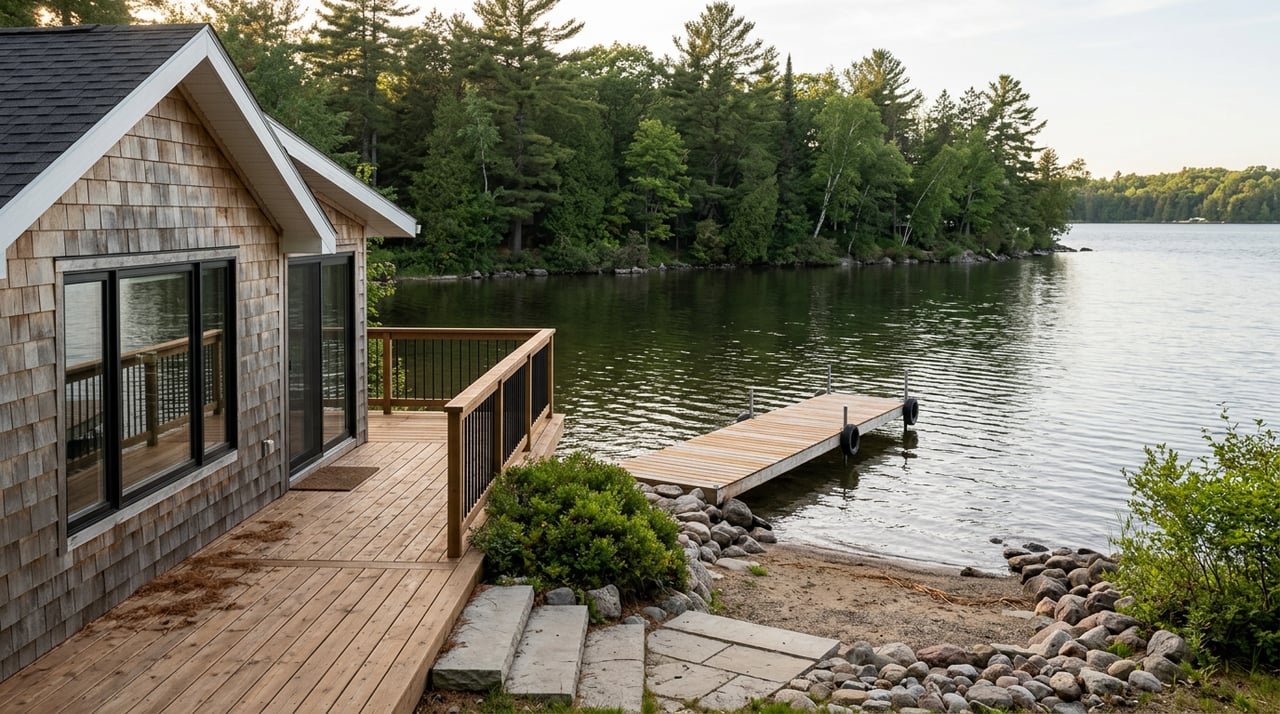
Standing on the Holland shoreline, it is easy to picture summer sunsets and long days on the water. The tougher question is which water is right for you. Do you want the drama and scale of Lake Michigan or the calmer, more convenient lifestyle of inland lakes like Lake Macatawa, Spring Lake, or White Lake? In this guide, you will compare costs, permits, boating, privacy, and year-round use so you can choose with confidence. Let’s dive in.
Lake Michigan: Big water, iconic views
Lake Michigan delivers wide-open horizons, dune backdrops, and a true coastal feel. You get sandy beaches, stunning sunsets, and a front-row seat to changing lake conditions. The trade-off is exposure. Water levels and storms can shift shorelines and increase maintenance needs over time. NOAA’s Great Lakes water levels show how fast levels can change across multi-year cycles.
Public access adds energy near Holland. Holland State Park and Tunnel Park are busy in peak season, and nearby homes feel that pulse. These beaches are established public access points that are monitored and maintained, so amenities are strong, but privacy can be limited in summer. See the EPA and state listings for monitored beaches for context.
Inland lakes: Shelter, marinas, and variety
Closer to town, Lake Macatawa is a protected bay with deep-water pockets, multiple marinas, and an active yacht-club scene. The lake connects to Lake Michigan through the channel, so you can keep a boat on calm water and still reach the big lake when conditions allow. Local events like the VanderLeek Cup highlight the social boating culture around Macatawa’s marinas and clubs, as seen on the Holland Hospice event page.
Smaller inland lakes within a reasonable drive, such as Spring Lake and White Lake, tend to be warmer in summer and great for paddling, swimming, and family boating. Water quality, aquatic plants, and watershed work matter on inland lakes. Lake Macatawa benefits from ongoing efforts like Project Clarity, highlighted by the Michigan Inland Lakes Partnership and MSU Extension.
Price context around Holland
Citywide median pricing offers helpful context but does not reflect waterfront premiums. Homes.com showed a recent Holland median in the mid to high $300Ks, about 370,000 at the time sampled. You can scan current listings on the Holland waterfront page to see how prices spread.
On the water, prices vary widely. Lake Macatawa and select Lake Michigan corridor properties can reach multi-million dollar levels, especially with deep-water frontage, long docks, and protected exposure. At the same time, the region includes modest cottages and mid-range homes on smaller inland lakes. Final price depends on frontage, water depth, dock rights, the condition of shoreline structures, and overall property updates. Always review fresh MLS data for precise ranges when you are ready to make offers.
Boating and access: Match the boat to the water
Lake Michigan boating
Open-water navigation on Lake Michigan rewards experience. Larger, seaworthy boats and careful weather planning are the norm. Wave energy and changing water levels are primary hazards, so you will plan outings around wind, visibility, and safe harbor windows. Review Great Lakes water levels and variability to understand why conditions shift.
Inland boating on Macatawa and beyond
Lake Macatawa offers sheltered marinas, yacht-club amenities, and easier seasonal storage. The channel gives you access to Lake Michigan when forecasts line up. Smaller inland lakes nearby support relaxed day-boating, kayaking, and swimming. Navigation limits on some inland channels can restrict draft and boat size, which often suits buyers who prefer low-stress boating close to home.
Quick fit guide
- Offshore cruiser or big-lake angler: Consider Lake Michigan access or a Macatawa slip with channel runs.
- Social boater who values convenience: Lake Macatawa’s marinas and clubs fit well.
- Paddler, swimmer, or casual pontoon owner: Smaller inland lakes often feel just right.
Privacy and crowd levels
Lake Michigan near Holland State Park and Tunnel Park is a favorite for day-trippers. You gain easy public beach access and grand views, but peak-season foot traffic can be high. See the EPA’s listing of monitored public beaches for the local map.
In contrast, many stretches of Lake Macatawa and smaller inland lakes feel more residential, with options that range from quiet, private settings to active marina zones. You can choose your preferred balance of quiet shoreline and social boating.
Maintenance, permits, and insurance
Shoreline work and likely costs
Shoreline protection and repairs vary in cost based on materials, engineering needs, and exposure. On inland lakes, simpler riprap solutions might be enough. On Great Lakes frontage, the exposure and permitting requirements can raise complexity and cost. Industry guides suggest that seawall projects often reach tens of thousands of dollars, with large per-foot swings based on site conditions. For a useful overview, see this seawall cost guide. Always confirm with local contractors for specific quotes.
Permits and who regulates what
Great Lakes bottomlands and structures fall under stricter public trust rules, while inland lakes use different state processes. Many projects require permits, including docks, dredging, shoreline stabilization, and aquatic plant treatments. Processes may also adjust during emergency high-water events. For an overview of Michigan’s regulatory framework, review the Michigan Sea Grant summary of state laws, and confirm details with EGLE before starting any work.
Flood insurance basics
Standard homeowners insurance usually excludes flood damage. If a property is in a Special Flood Hazard Area, your lender may require flood insurance. Use FEMA’s Flood Map Service Center to check a parcel’s flood zone and then consult an insurance agent about National Flood Insurance Program or private options.
Year-round use and seasonality
On Lake Michigan, wind and colder water shorten the comfortable swim season, but the shoreline offers year-round scenery and access to state park amenities that peak in summer. Inland lakes usually warm faster in spring and can support winter use, such as ice fishing or skating when conditions allow. For a window into the regional winter fishing tradition, see the Michigan DNR’s Master Angler report.
Legal and tax notes to keep in mind
Waterfront owners in Michigan have riparian rights that are qualified and subject to reasonableness and permits. Docks, seawalls, and other structures are regulated and often require state approval. A helpful primer on basics is available in this Michigan riparian law overview. For taxes, waterfront properties often carry higher assessed values and may have special assessments. Review details with the local assessor, starting with the City of Holland’s FAQ on the Principal Residence Exemption.
Buyer checklist: Lake Michigan vs inland lakes
- Define your boating profile. Offshore cruising, social marina life, or quiet paddling will drive location and boat choice.
- Pull current comps. Use fresh MLS data to compare Lake Michigan corridor, Lake Macatawa, and nearby inland lakes. The Holland waterfront listings page is a quick scan, then verify with your agent.
- Ask sellers for records. Request shoreline permits, dock and seawall work history, and any dredging or association rules in writing.
- Verify flood zones. Check FEMA’s Flood Map Service Center before you fall in love with a property.
- Confirm permits before projects. Review state rules with EGLE and the Michigan Sea Grant state law summary.
- Budget for shoreline work. Get local contractor estimates and plan a maintenance fund for inspections and repairs. Use the seawall cost guide as a starting point.
- Call marinas early. If slips and winter storage matter, contact Lake Macatawa marinas and clubs to ask about slip sizes, waitlists, and seasons. The VanderLeek Cup page highlights the active marina culture you can tap into.
Which water is right for you?
Choose Lake Michigan if you want open horizons, direct beach access, and do not mind exposure and seasonal crowds. Choose Lake Macatawa if you want sheltered water, robust marina options, and an easy channel run to the big lake. Choose smaller inland lakes if you value calmer water, simpler boating, and often more moderate entry prices. The right fit comes down to how you plan to use the water week to week, not just the view from the deck.
Ready to compare live listings, shoreline details, and slip options in one focused conversation? Reach out to Steven A Elder for local guidance and a custom search that matches your boat, budget, and lifestyle.
FAQs
How do prices for Lake Michigan and inland lakes near Holland compare?
- City medians around Holland have hovered in the mid to high $300Ks, while prime waterfront on Lake Macatawa or Lake Michigan can reach into the multi-millions, with frontage, depth, and dock rights driving the premium; verify current ranges on the Holland waterfront listings page.
What permits will I need for docks or shoreline work?
- Most projects, including docks, dredging, and shoreline stabilization, require state permits; Great Lakes bottomlands have stricter rules, so start with EGLE guidance and the Michigan Sea Grant summary of state laws.
Which setting is better for casual paddling and small boats?
- In general, inland lakes like Lake Macatawa, Spring Lake, and White Lake offer calmer water and easier access for kayaks, canoes, and pontoons, with Macatawa’s marinas adding slip and storage convenience.
Do I need flood insurance for a waterfront home?
- It depends on the flood zone and your lender; check the property on FEMA’s Flood Map Service Center and ask an insurance agent about NFIP or private policies since standard homeowners insurance usually excludes floods.
How does year-round usability differ between Lake Michigan and inland lakes?
- Lake Michigan offers dramatic four-season scenery but shorter swim seasons due to colder water and wind, while inland lakes often warm earlier and may support winter activities like ice fishing when conditions are safe, as reflected in the Michigan DNR Master Angler report.