Wondering why some land listings near Big Rapids attract strong interest while others sit? In most cases, buyers are not just looking at acreage or price. They want clear answers about access, buildability, records, and whether the property can realistically support their plans. If you are getting ready to sell, a little upfront work can make your land easier to understand and easier to trust. Let’s dive in.
Start With Buyer Questions
Land buyers in the Big Rapids area usually screen for practical issues first. They want to know if there is legal access, whether a driveway can be built, and if septic and well systems appear feasible. They may also ask about wetlands, floodplain, drainage, and any limits on how the land can be used.
That means your job as a seller is to remove as much uncertainty as possible. When you can answer those questions with records, maps, and photos, your property feels more straightforward to evaluate. That often leads to smoother conversations and fewer surprises later.
Gather Your Land Records First
Before you think about photos or pricing, pull together the paperwork tied to the parcel. Buyers often want to review the current deed, legal description, recorded easements, and any restrictions that affect access or buildability. If you have a prior survey, include that too.
The Mecosta County Register of Deeds search can help confirm recorded documents such as deeds, easements, and other land records. This is especially helpful if you want to verify what is on file before your property goes to market. Clean, organized records can help a buyer feel more confident from the start.
Key documents to collect
- Current deed
- Legal description
- Recorded easements
- Any deed restrictions or use limits
- Prior survey, if available
- Any documents related to access
- Any prior split or division records
Confirm Legal Access Early
Access is one of the first things buyers look at with vacant land. Even a beautiful parcel can be hard to sell if the access point is unclear or if there are questions about how a driveway would reach the build site. That is why access should be verified before listing.
If your future driveway would connect to a county road, the Mecosta County Road Commission permit process may apply to work in the county road right-of-way. Its permit packet requires plans and specifications and may require insurance or bond. It also notes that permit holders must contact Miss Dig at least 3 full working days, but not more than 14 calendar days, before starting work.
If your parcel is inside the City of Big Rapids, a land use permit is required to establish or change a parking area or driveway. The site plan must show details such as drainage, curb cuts, entrances, and exits. If your land is in the city, it makes sense to sort this out early so buyers understand what may be needed.
Check Buildability With Well and Septic Review
For many land buyers, the biggest question is simple: can I build here? In Mecosta County, septic and well feasibility are major parts of that answer. DHD10 issues private well and septic permits, evaluates the site, helps locate the well area, designs the septic system, and inspects final work.
Its soil evaluation looks at soil type, seasonal high groundwater, and confining layers. Those factors can directly affect whether a parcel can support a home site. If your land is undeveloped, DHD10 also offers a Vacant Land Evaluation service, which can be useful when you want stronger information for buyers.
If the property already has a well or septic system, gather any DHD10 records, permit history, and past testing. Having that information ready can save time and reduce back-and-forth once buyers start asking detailed questions.
Important well and septic points
- DHD10 handles private well and septic permits in Mecosta County
- Soil conditions and groundwater levels can affect buildability
- Existing well and septic records should be pulled before listing
- Michigan well code requires at least 50 feet between a single-family private well and a septic system
- Local sanitary code requirements can be stricter
If well water testing becomes part of the sale, sellers and buyers should expect to use a State-certified lab. Keeping that report on hand can be helpful if testing is completed during your prep process.
Review Wetlands, Floodplain, and Drainage
Wetlands and floodplain issues can slow down a sale when they surface late. That is why it helps to check them before your listing goes live, especially if buyers are likely to consider the parcel for a house site or driveway.
EGLE’s Wetland Identification Program can identify wetland boundaries and provide a three-year jurisdictional guarantee for a defined review area. EGLE says its Level 2 review is designed for smaller projects, such as a driveway or house site up to five acres. That can be useful if your parcel needs a clearer answer on where usable land begins and ends.
For flood risk, EGLE directs owners to FEMA flood maps. Even if your parcel is not obviously low or wet from the road, a map review can help you catch issues early. If you plan to request wetland review, timing matters because some applications filed from October 1 through winter are held until the spring field season.
Verify Zoning and Land Division Questions
Zoning can shape what buyers think the land is worth. If your parcel is within the City of Big Rapids, the official zoning map is maintained at City Hall, and the zoning ordinance explains how district boundaries are read. Buyers may want that information if they are comparing possible uses.
If you plan to split acreage before selling, do not leave that question unresolved. Michigan’s Land Division Act governs divisions made for sale, leases longer than one year, or building development. Local approval can affect whether a split is legal and marketable, so this should be settled early in your prep process.
Clean Up the Property for Showings
Once the records are in order, turn your attention to how the land shows in person. A buyer does not need a fully improved parcel, but they do need to understand what they are looking at when they visit. Overgrown frontage or blocked paths can make a good property feel uncertain.
If the land has not been walked in a while, open the access path and trim brush around likely viewing areas. Make it easier for buyers to see road frontage, clearings, trails, wet spots, and any existing improvements. Simple cleanup can go a long way toward helping buyers picture the parcel more clearly.
Use Photos and Maps That Answer Questions
Land marketing works best when visuals are practical, not just pretty. Buyers often want to see the property from the road, from above, and from the likely homesite. That is especially true for acreage, where shape, access, and layout are harder to understand from a basic listing description.
Aerial images and map overlays can help show property shape, access, and context quickly. They are useful tools for helping buyers evaluate the parcel before they visit. Just make sure your core facts still come from the deed, legal records, survey, zoning information, and other official sources.
Photos to capture before listing
- Road frontage
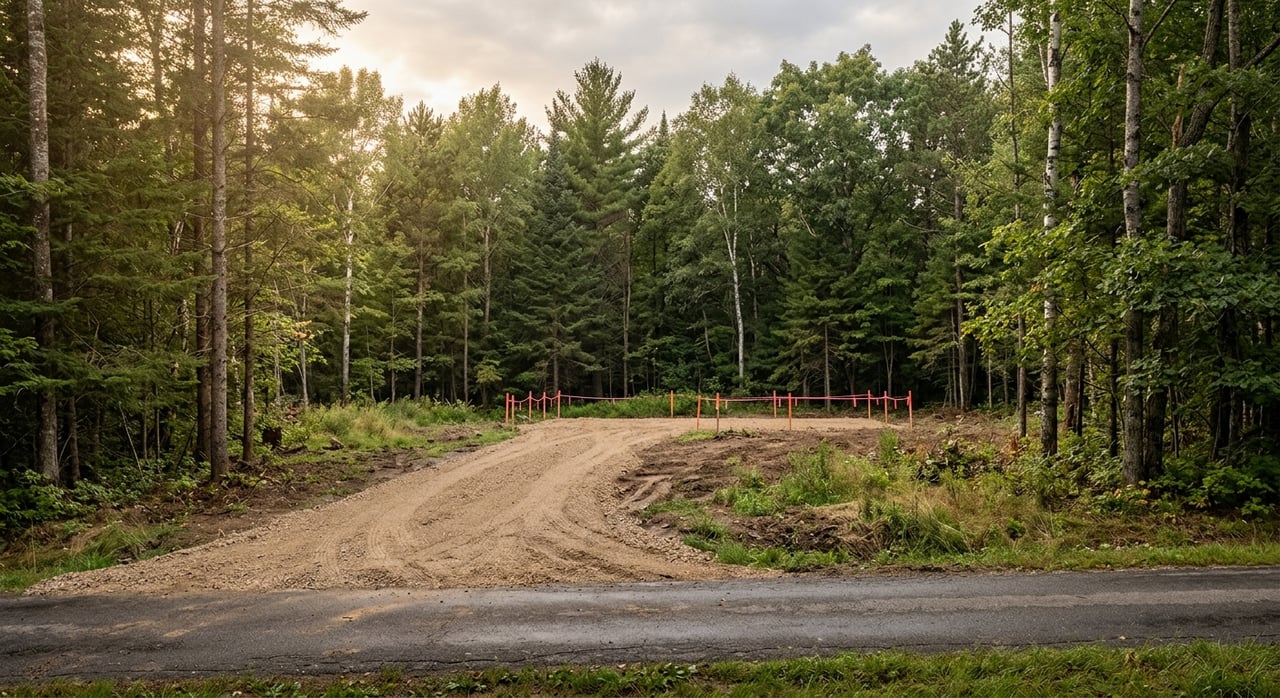
- Driveway entrance or likely access point
- Trail system or walking path
- Clearings and likely build areas
- Wet spots or drainage areas
- Existing well, septic, or other improvements
- Overhead views that show shape and layout
Follow a Smart Pre-Listing Order
The order of your prep work matters. If you spend time marketing the land before checking access or site feasibility, you may end up answering avoidable objections later. A more deliberate sequence can help keep your sale on track.
A strong pre-listing approach is to verify access first, then verify septic and well feasibility, then check wetlands and floodplain, and only after that finalize photos and maps. This helps reduce the chance that a buyer discovers a major site constraint late in the process.
Why Preparation Helps You Sell Faster
Prepared land listings tend to feel less risky to buyers. When your documents are organized, your access is clear, and your maps and photos answer common questions, buyers can spend less time guessing. That can make your property stand out in a market where land shoppers often compare several parcels at once.
Good preparation also helps your pricing conversation. If buyers can see the difference between a parcel with unanswered questions and a parcel with useful records and site information, they may be more willing to engage seriously. In a land sale, clarity is part of the value.
If you are thinking about selling land near Big Rapids, careful prep can make a real difference in how your property is received. For help marketing acreage, lots, and lifestyle properties across West Michigan, connect with Steven A Elder.
FAQs
What should you do first before selling land near Big Rapids?
- Start by gathering your deed, legal description, easements, survey, and access-related documents, then verify whether the parcel has clear legal access.
How can you check if land in Mecosta County is buildable?
- A practical first step is reviewing well and septic feasibility through DHD10, which evaluates soil conditions, groundwater, and site suitability for private systems.
Does a driveway on land near Big Rapids need a permit?
- If access is from a county road, the Mecosta County Road Commission permit process may apply, and if the parcel is inside the City of Big Rapids, a land use permit is required to establish or change a driveway or parking area.
Why should you check wetlands before listing land in Mecosta County?
- Wetland questions can delay a sale, so checking boundaries early through EGLE’s Wetland Identification Program can help you answer buyer concerns before they become deal issues.
What records matter most when selling vacant land near Big Rapids?
- Buyers usually want the deed, legal description, recorded easements, restrictions, prior survey, and any available well, septic, or permit history.
Should you divide acreage before selling land in Michigan?
- If you are considering a split, resolve it early because Michigan’s Land Division Act governs divisions made for sale, long-term lease, or building development, and local approval can affect marketability.