If you plan to sell a lake cottage near Holland, timing matters, but timing alone is not enough. Buyers are drawn to shoreline views, dock access, and that easy West Michigan lake-life feel, yet they also ask careful questions about wells, septic systems, permits, and flood risk. If you prepare for both the emotional appeal and the practical details, you can make your sale smoother and more convincing. Let’s dive in.
Why season matters near Holland
Holland has a strong seasonal rhythm. The area is known for Tulip Time in spring, summer lake activity, fall orchards, and winter holiday events, with summer highlighted as a prime time to visit.
For you as a seller, that means your cottage often shows best when outdoor features are fully visible. Shoreline condition, landscaping, decks, and dock areas can all influence how buyers feel the moment they arrive.
A spring or early summer launch can be especially helpful for a lake cottage. Zillow’s 2025 analysis found that homes listed in the last two weeks of May sold for 1.7% more nationally, which is not a Holland-specific rule, but it supports the idea that late spring can be a strong window when your property’s exterior is ready to shine.
Start planning earlier than you think
Many cottage sellers underestimate how long prep can take. Zillow says many sellers should reserve at least two months for preparation, and waterfront properties often need more time because records, inspections, or permit questions can take longer to sort through.
If your cottage has shoreline improvements, dock questions, or floodplain concerns, your planning window may need to be much longer. EGLE says some permit processing can take 90 to 150 days, depending on the type of permit and whether a public hearing is required.
That means the best seasonal strategy often starts months before the listing goes live. If you want to hit the spring or early summer market, winter may be the right time to organize records, schedule evaluations, and decide whether any issues need attention.
Match your listing date to your cottage’s strengths
Spring launch benefits
Spring can be a smart time to list if your property has attractive landscaping, a visible shoreline, and easy outdoor access. Holland’s spring identity, including Tulip Time, helps put attention on the area and can align well with buyers beginning their search for a summer retreat.
This season also gives you time to present the property before peak summer use begins. Buyers can picture themselves enjoying the cottage during the months they care about most.
Summer showing advantages
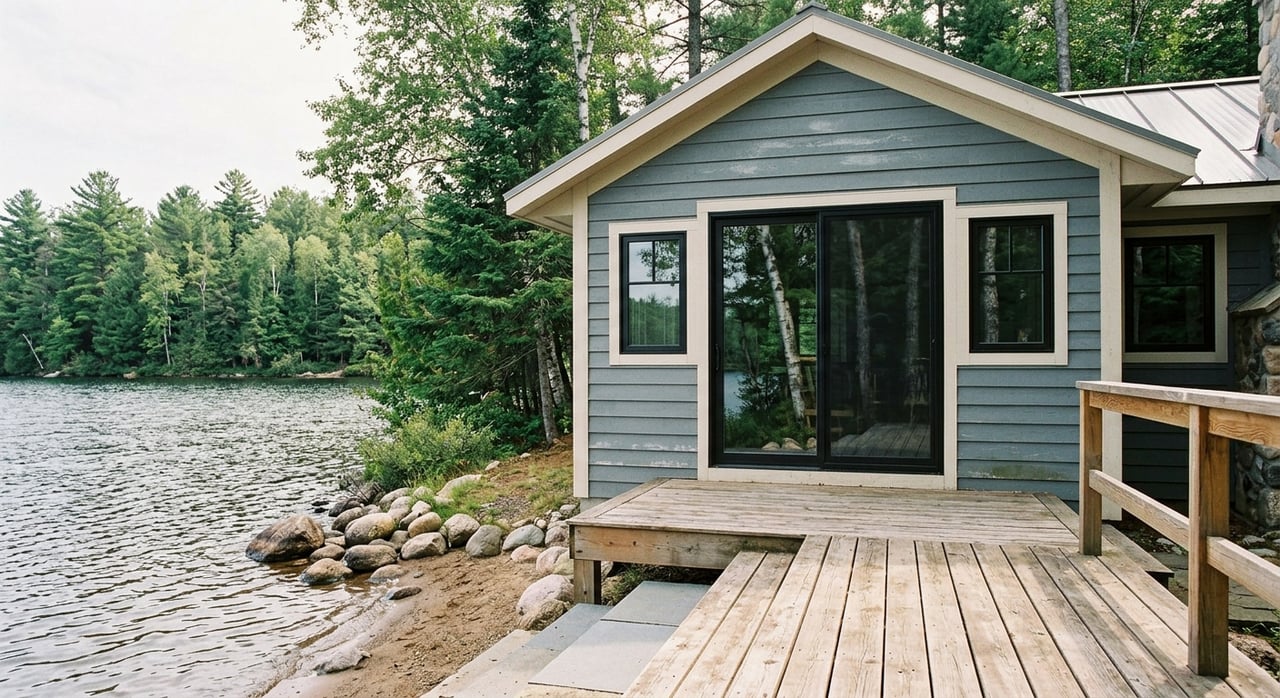
Summer often gives you the most photogenic version of a lake property. Water views are clearer, trees are full, decks feel inviting, and the shoreline lifestyle is easier to capture in photos and in person.
If your dock, seating areas, or beach access are major selling points, summer can help those features speak for themselves. A tidy shoreline and usable outdoor spaces can make the property feel move-in ready for lake season.
Fall and winter strategies
If you sell in fall or winter, the goal shifts a bit. Instead of leaning only on warm-weather charm, you want the cottage to feel manageable and well-documented during the off-season.
Bright interiors, safe walkways, and clear access to utility and maintenance records can help buyers feel more confident. Holland still attracts year-round visitors and seasonal activity, so an off-season sale can still work when the home feels easy to understand and easy to own.
Put paperwork together before listing
For a Holland-area cottage sale, transparency can be just as important as presentation. Waterfront and seasonal-home buyers tend to move faster when they have answers early.
Michigan’s Seller’s Disclosure Statement applies to the transfer of most 1-4 unit residential properties, and the form asks about a wide range of issues that matter to cottage buyers. That includes well and septic systems, roof leaks, flooding or drainage issues, easements, shared features, homeowners associations, zoning issues, unpermitted modifications, and major storm damage.
The form is not a warranty, but it does set expectations. If you gather your records before the first showing, you can reduce delays and avoid scrambling after an offer arrives.
Key documents to gather
A strong pre-listing packet for a lake cottage near Holland may include:
- Michigan Seller’s Disclosure Statement
- Recent well records and water testing information
- Ottawa County well and septic evaluation paperwork, if applicable
- Service records for major systems
- Dock, boat hoist, seawall, or dredging permits, if applicable
- Flood-zone or flood-insurance information
- Easement documents or shared-access agreements
- HOA rules, if there is an association
- Recent tax bill and any utility assessment information
- Lead-based paint records for homes built before 1978, if available
Pay special attention to well and septic rules
This is one of the biggest local issues for cottage sellers near Holland. Ottawa County’s Real Estate Transfer Evaluation Program requires sellers to have the on-site water supply and/or sewage disposal system evaluated before a transfer, and the seller provides the buyer a copy of that report at closing.
The county also offers water sampling for private wells. If your cottage is not connected to sewer, having current well and septic paperwork ready early can help prevent these systems from becoming a last-minute negotiation problem.
Buyers often want to know what systems are in place, when they were last serviced, and whether there are any known concerns. Dates, receipts, and service notes can go a long way.
Clarify shoreline and dock details early
Water access is often the heart of a cottage purchase, so this is where buyers pay close attention. If you have Lake Michigan frontage, EGLE regulates construction on Great Lakes bottomlands below the ordinary high-water mark, and permits are required for activities such as filling, dredging, or placing structures like docks, boat lifts, or seawalls.
For inland lakes and streams, EGLE says a permanent dock or boat hoist requires a permit, while a seasonal private noncommercial dock or hoist that is removed at the end of boating season generally does not. Because those rules differ, buyers will want to know exactly what type of structure exists and whether permits are on file.
If you have completed shoreline work in the past, gather that permit history before listing. Documentation around dock status, seawalls, dredging, and shoreline changes can help buyers evaluate the property with fewer surprises.
Be ready for floodplain questions
Floodplain status can affect both financing and ownership costs. EGLE explains that a house in the 100-year floodplain can trigger lender flood-insurance requirements, and homeowners insurance does not cover flood damage.
That is why it helps to have flood-zone or flood-insurance information ready before a buyer asks. Even if the answer is simple, having it prepared shows that you understand the property and respect the buyer’s due diligence process.
Stage the cottage for the season you are in
Warm-weather staging
When you list during spring or summer, focus on usable outdoor living. Clear debris from the shoreline where allowed, tidy the dock area, clean up outdoor furniture, and make decks and paths feel open and inviting.
Photography matters here. Try to capture the property when the water, trees, and landscaping look their best, because those visuals help buyers connect with the lake lifestyle they are shopping for.
Cold-weather staging
In colder months, buyers want reassurance. Keep driveways and walkways clear, brighten the interior, and make maintenance information easy to review.
A winter showing does not need to compete with July lake weather. Instead, it should communicate that the cottage is organized, cared for, and practical in every season.
Anticipate the questions buyers will ask
Buyers of cottages near Holland are often lifestyle-driven, but they are rarely casual about details. They tend to ask direct questions early in the process.
Be ready for questions like these:
- What kind of well and septic system is in place?
- When were the systems last serviced?
- Are there permits for the dock, seawall, or shoreline work?
- Is the dock seasonal or permanent?
- Is the property in a floodplain?
- Are there easements, shared features, or HOA rules?
- Were any additions or modifications done without permits?
- What are the current taxes and are there utility assessments?
When you can answer those questions with documents instead of guesses, your listing feels more credible and easier to pursue.
A practical seasonal selling plan
If you want a simple framework, think about your sale in three phases.
Phase 1: Prepare
Use the months before listing to gather records, schedule evaluations, review permit history, and identify any issues that need clarification. This is also the time to plan photography and decide which season best highlights your cottage.
Phase 2: Present
List when the property’s strongest features are easiest to see. For many Holland-area cottages, that means showcasing shoreline access, outdoor spaces, and lake views in spring or summer.
Phase 3: Simplify
Make it easy for buyers to say yes. A clean document package, clear answers, and a property that feels ready to enjoy can reduce stress for everyone involved.
The best strategy for selling a lake cottage near Holland is not just picking the right week to list. It is pairing strong seasonal presentation with clear local documentation, so buyers can fall in love with the setting and feel confident about the details. If you are thinking about your next move along the lakeshore or on an inland lake, Steven A Elder can help you prepare, market, and sell with a plan built for West Michigan.
FAQs
When is the best time to sell a lake cottage near Holland, Michigan?
- Spring through early summer is often a strong window because outdoor features like shoreline, docks, and landscaping usually show best, and late May aligns with a broader national seasonal pricing trend.
What paperwork should sellers prepare for a Holland-area cottage sale?
- Sellers should be ready with the Michigan Seller’s Disclosure Statement, well and septic records, Ottawa County evaluation paperwork if applicable, permit documents, flood information, tax records, and any easement or HOA documents.
What does Ottawa County require for well and septic systems before a cottage sale?
- Ottawa County requires the on-site water supply and/or sewage disposal system to be evaluated before transfer, and the seller provides the buyer a copy of the evaluation report at closing.
Do dock and shoreline permits matter when selling a cottage near Holland?
- Yes, buyers often want to see whether docks, boat hoists, seawalls, dredging, or other shoreline improvements required permits and whether those permits are on file.
Why do floodplain details matter for a lake cottage sale in Michigan?
- A home in the 100-year floodplain may trigger lender flood-insurance requirements, and flood insurance is separate from standard homeowners coverage.
How should you stage a Holland lake cottage for showings in different seasons?
- In warm months, focus on shoreline appeal and outdoor living areas, while in colder months, focus on bright interiors, clear access, safe walkways, and organized maintenance records.