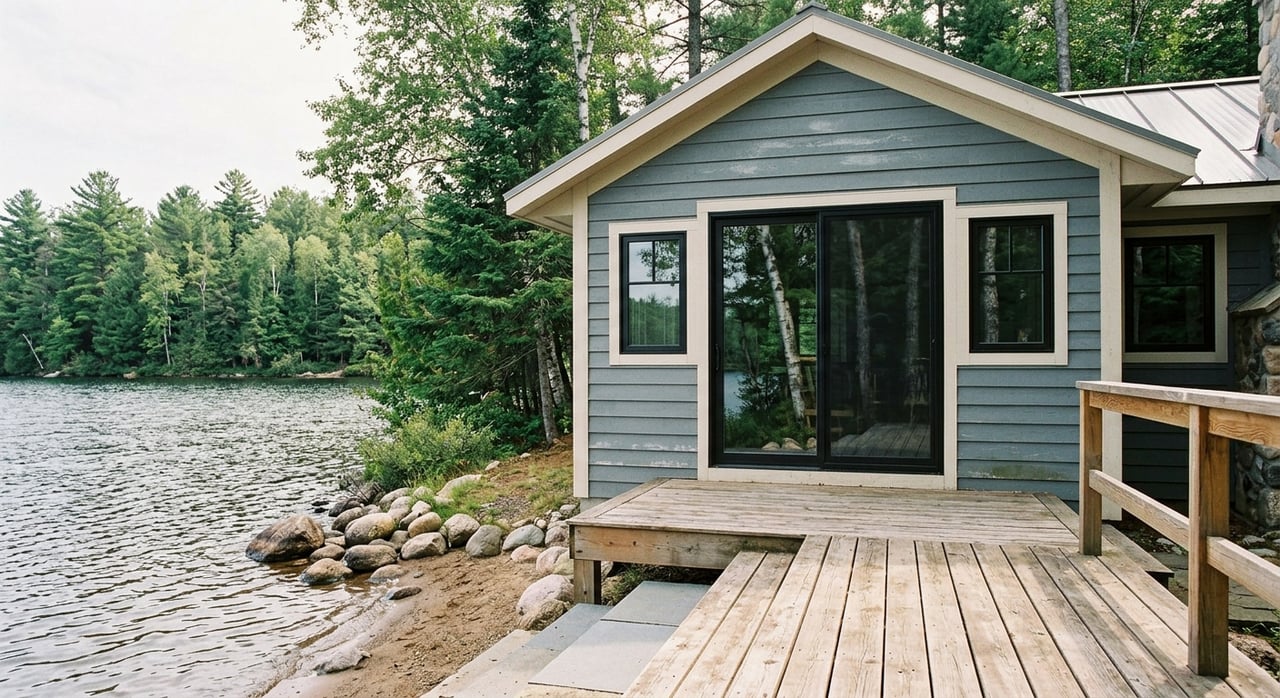
If you have ever looked at a Muskegon waterfront home and thought, “Could this place help pay for itself?” you are not alone. Many buyers and owners see the appeal of turning a lakeside property into a rental, especially in a market tied to beach season, boating, and summer travel. The key is knowing that in Muskegon, a great view is only part of the equation, and this guide will help you understand the rules, costs, and planning steps before you move forward. Let’s dive in.
Start With City of Muskegon Rules
If your property is inside the City of Muskegon, local short-term rental rules should be your first stop. The city generally defines a short-term rental as a dwelling leased without the host present for less than 28 days but more than 24 hours for payment.
That definition matters because not every stay is treated the same way. Hosted stays are not treated as short-term rentals under that specific definition, but the city still requires them to be registered.
Zoning Can Limit Your Options
A waterfront address does not automatically mean you can use the home as a short-term rental. The City of Muskegon uses a short-term-rental overlay district, and availability depends on the property’s zone.
According to the current city guide, Zone 1, which includes Beachwood and Bluffton, is waitlist only, while several other zones are open. That means a home with rental appeal may still face location-based limits before you ever list it.
Do Not Assume a License Transfers
If you are buying a home that has been used as a rental, be careful with your assumptions. The city ordinance says short-term rental licenses issued after adoption are not transferable when ownership changes.
In practical terms, you should not treat a seller’s current rental status as something that automatically passes to you at closing. For buyers, this is one of the most important due diligence points in the entire process.
Understand the City Registration Process
Turning a Muskegon waterfront home into a rental takes more than furnishing the place and posting photos online. The city’s checklist requires a registration process with several supporting items.
You may need:
- A city registration
- A local 24/7 agent if you do not permanently live in Muskegon County
- Proof of general liability insurance
- Proof of dwelling fire insurance
- Compliance with city inspection and safety requirements
This is why it helps to think of rental conversion as an operating business decision, not just a marketing one.
Prepare for Safety and Operating Standards
The city’s short-term rental program includes specific operational expectations. Owners must comply with rules related to smoke detectors, carbon monoxide detectors, fire extinguishers, trash receptacles, weekly trash removal, parking, and other city code requirements.
The city also requires hosts to include its Good Neighbor rules on the online listing. That means your guest communication is part of compliance, not just hospitality.
Guest Rules Matter
The City of Muskegon expects short-term rentals to follow guest-facing rules that affect day-to-day operations. These include:
- Quiet hours from 11 p.m. to 7 a.m.
- Restrictions on front-yard, terrace, and sidewalk parking
- A ban on commercial activities such as yard sales, retreats, reunions, and similar events
For a waterfront owner, these rules shape the kind of stay you can offer. A peaceful vacation property may fit well, while event-style use may not.
Why Waterfront Homes Attract Renters
Muskegon has real destination appeal, especially for warm-weather visitors. Official tourism materials highlight beaches, boating, paddling, parks, trails, lake views, and summer events.
Visit Muskegon identifies June through September as the warmest and best-known travel window, and summer is presented as the area’s peak season. That points to a rental pattern driven more by seasonal demand than by steady year-round occupancy.
Think Seasonal, Not Passive
For most owners, a Muskegon waterfront rental should be viewed as a destination stay with a seasonal peak, not a hands-off passive-income asset. Summer demand may be strong, but it often comes with more frequent turnovers, tighter scheduling, and higher guest expectations.
That matters when you set pricing, service plans, and income expectations. A lakefront home can be appealing to guests, but it also tends to require more active management than many first-time owners expect.
Match the Home to Guest Expectations
Visitors choosing Muskegon for waterfront travel are often looking for easy access to the water and outdoor living. While every property is different, the local tourism mix suggests guests are likely to value things like parking, outdoor seating, beach gear storage, and smooth check-in and check-out systems.
Because the city also enforces parking, noise, and neighborhood rules, convenience and clear house management matter almost as much as the shoreline itself. A beautiful property still needs a solid operating plan.
Know the Main Cost Buckets
Before you turn a waterfront home into a rental, build a budget that goes beyond the purchase price or mortgage payment. The official city and county requirements create a real compliance baseline.
Inside the City of Muskegon, the current short-term rental guide lists a $500 rental registration fee for a single-family short-term rental. The city also notes additional charges can apply for re-inspections and lockout or no-show situations if the property does not pass inspection or access is missed.
Taxes Can Affect Your Pricing
At the county level, Muskegon County imposes a 5% tax on accommodations provided to transient guests. Under the county ordinance, transient guests are defined as those staying less than 30 consecutive days.
At the state level, Michigan Treasury says use tax is due on hotel or motel accommodations and similar lodging furnished by those providing accommodations to the public on a commercial basis. Michigan also says no tax is due if the room is rented for a continuous period of more than one month to the same tenant.
That short-term versus medium-term distinction can affect how you price the property and how you handle taxes. It is smart to sort that out before the first booking goes live.
Property Taxes May Change Too
If you plan to convert a waterfront home into a rental, ask about property tax treatment early. Michigan Treasury guidance says the principal residence exemption can be partial when part of a property is used for business or rental.
The same guidance says owners who no longer own and occupy the property as a principal residence generally must file a rescission within 90 days. Even if your home use changes only in part, your tax assumptions may need an update.
Budget for Real Operating Expenses
Beyond registration fees, taxes, and insurance, day-to-day costs can add up quickly. A realistic operating budget may include:
- Furnishings
- Linens and laundry
- Cleaning and turnover service
- Utilities
- Internet
- Trash service
- Routine maintenance
- Exterior upkeep
- Management support if needed
These are not just nice-to-have line items. They are part of delivering a rental that meets city requirements and guest expectations.
Waterfront Rentals Need More Maintenance
A waterfront home that hosts rotating guests will usually experience different wear than an owner-occupied property. The city checklist already points to common pressure points like detectors, windows, egress, trash handling, parking, and safety items that need to work every time someone arrives.
That is why preventive maintenance usually works better than reactive maintenance. When your bookings cluster around summer weekends, small issues can become expensive problems fast.
Common Wear-and-Tear Areas
A Muskegon waterfront rental may need extra attention in areas such as:
- Wet floors and sand tracked inside
- Higher laundry volume
- More frequent cleaning between stays
- Heavy use of decks, patios, and outdoor furniture
- Repeated use of locks, windows, appliances, and HVAC systems
These are practical realities of a beach-oriented, seasonal property. If you plan for them from the start, you are less likely to be surprised later.
Build the Plan Before You Launch
One of the biggest mistakes owners make is trying to figure everything out after the listing is live. In Muskegon, it makes more sense to verify zoning, licensing, tax handling, insurance, and management responsibilities before you advertise the home.
That is especially true if you are buying a property with rental income in mind. Since the city says newer short-term rental licenses do not transfer with ownership, your purchase strategy should include a fresh review of eligibility, not just the seller’s history.
A Smart Approach for Buyers and Owners
For some people, a Muskegon waterfront rental can be a strong lifestyle and income play. For others, the rules, seasonal demand, and operating workload may point toward a different use strategy.
The right move usually starts with a clear picture of the property, the zone, the city process, and the true carrying costs. If you want help evaluating a waterfront home for personal use, resale potential, or future rental possibilities, connect with Steven A Elder for locally grounded guidance on West Michigan lakefront real estate.
FAQs
What counts as a short-term rental in the City of Muskegon?
- In the City of Muskegon, a short-term rental is generally a dwelling leased without the host present for less than 28 days but more than 24 hours for payment.
Can you buy a Muskegon short-term rental and keep the same license?
- No, the city says short-term rental licenses issued after adoption are not transferable when ownership changes.
Are all Muskegon waterfront homes eligible for short-term rental use?
- No, short-term rental availability in the City of Muskegon is zone-based, and some areas, including Zone 1, are currently waitlist only.
What does a City of Muskegon short-term rental application require?
- The city checklist includes registration, insurance documentation, and a local 24/7 agent if the owner does not permanently live in Muskegon County, along with compliance with inspection and safety standards.
What taxes apply to a Muskegon short-term rental?
- Muskegon County imposes a 5% accommodations tax on transient guest stays of less than 30 consecutive days, and Michigan says use tax may apply to similar lodging furnished on a commercial basis.
When is demand strongest for a Muskegon waterfront rental?
- Local tourism materials point to June through September as the warmest and best-known travel season, with summer being the area’s peak visitor period.