Buying your first place in Grand Rapids can feel like a moving target. Prices, inventory, and commute tradeoffs vary block by block, and offer rules can change with the season. You want a clear snapshot of how the market works so you can plan your next move with confidence. This guide breaks down what you’ll see in the local market, how to write a strong offer, where different lifestyles tend to shop, and when to time your search. Let’s dive in.
Grand Rapids market at a glance
Grand Rapids saw fast price growth in 2020–2021, a moderation through 2022–2023 as rates rose, and partial stabilization in 2024. Inventory improved from the ultra‑tight pandemic period, but entry‑level single‑family homes remain limited in many neighborhoods. For the freshest monthly snapshot, check the Grand Rapids Association of REALTORS monthly reports.
Local demand is supported by a diverse economy across health care, manufacturing, education, furniture and design, and a growing startup scene. Many buyers move here from other Michigan metros or out of state for a lower cost of living compared with larger Midwestern cities. Lifestyle is a big draw too, with walkable neighborhoods, a strong arts and craft beer scene, and easy access to Lake Michigan.
What this means for you: expect moderate competition in sought‑after price bands and neighborhoods, with more selection and negotiation room as you move up in price. New construction is more common in suburban townships and exurban areas. Dynamics vary by season and by home type.
Inventory and home types
Entry‑level choices are tight
If you are shopping for a smaller 2–3 bedroom single‑family home, expect low inventory in many in‑demand areas. Attractive listings can see multiple offers, especially in spring. Some buyers widen their search to include townhomes or condos near downtown for more options. Focus your filters on beds, baths, budget, and commute radius so you are judging the inventory that actually fits your needs.
Move‑up homes have more options
Larger 3–4 bedroom homes in suburbs like Kentwood, Cascade, Walker, and Grandville typically offer more listings at any given time. Market times can be a bit longer, which can open the door to negotiation on price or terms. You may also see a mix of late‑90s to 2010s homes with modern layouts. If you are selling and buying, timing and possession planning matter more than speed alone.
Premium and new construction
Newer builds and homes on larger lots are common in Ada, Forest Hills, and the northern suburbs. You will see active construction in suburban townships and more executive‑style options on the edges of the metro. These areas often trade walkability for space, privacy, and newer systems. If you want a turnkey home, this tier can offer the most choice.
Where condos and historic homes are
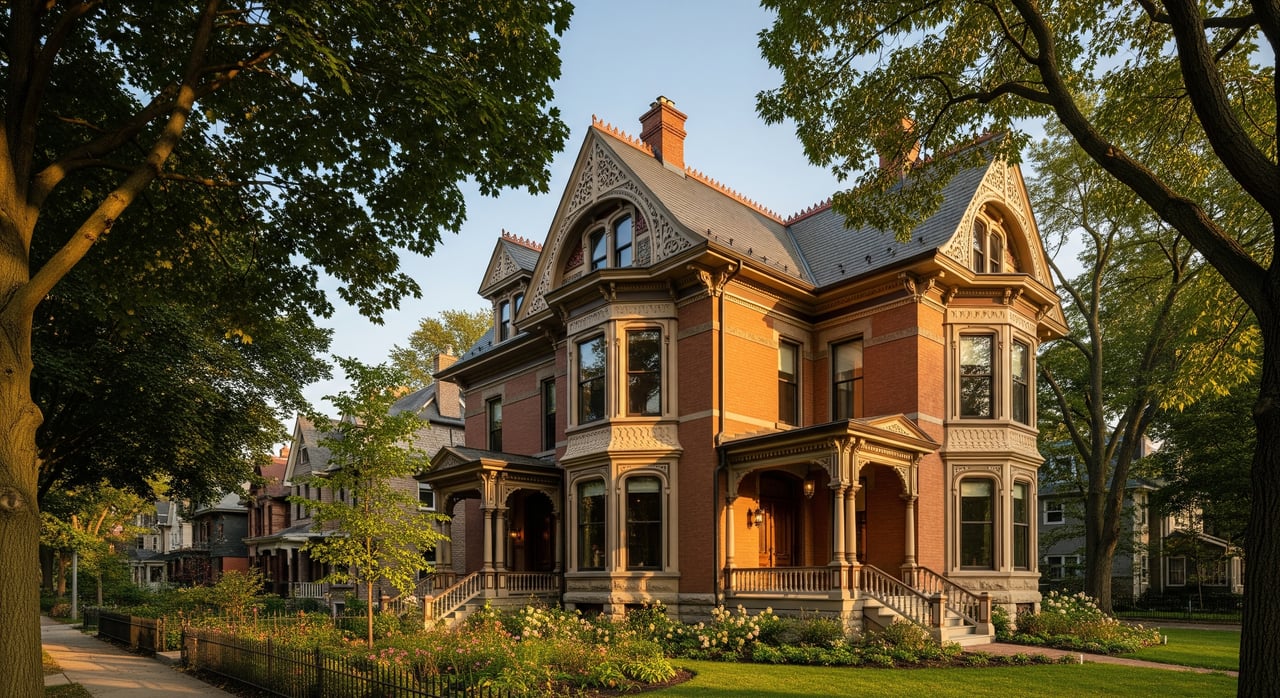
Single‑family homes dominate Kent County, but downtown and near‑downtown areas offer a good share of condos. Historic homes, including bungalows and early 20th‑century styles, cluster in places like Heritage Hill and Eastown, with in‑town character and proximity to restaurants. One‑level ranch homes are common in many suburban subdivisions and can be a fit if you prefer fewer stairs.
Offers and financing in GR
Multiple offers still pop up in the most competitive price bands, though intensity shifts with rates and the season. Sellers often prefer offers with a strong pre‑approval, realistic timelines, and clean contingencies. Cash is not required for success, but clarity and speed help.
Smart offer tactics
- Consider an escalation clause when competition is clear, and set a firm ceiling.
- Use appraisal‑gap coverage only if you understand the extra cash you may need if the appraisal comes in low.
- Offer flexible possession or a short rent‑back when a seller needs time to move.
- Keep inspection rights whenever possible; tailor them to focus on major systems if needed.
Financing basics and a live rate check
Mortgage rates in 2023–2024 ran higher than the 2010s average, which affected affordability for many first‑time buyers. Check the Freddie Mac Primary Mortgage Market Survey for the latest average 30‑year rate before you write an offer. First‑time buyers often use FHA, USDA in qualifying exurban areas, or low‑down‑payment conventional loans. For information on statewide programs and market context, review Michigan Realtors resources and talk with a local lender who knows the GRAR area.
Your offer checklist
- Get a full pre‑approval, not just a pre‑qualification.
- Clarify your budget, monthly payment comfort, and any down‑payment assistance.
- Set aside earnest money and understand typical amounts in your price band.
- Discuss inspection scope and timelines so you protect your interests.
- Review appraisal risks and whether an appraisal‑gap reserve fits your plan.
- Decide on possession timing and whether you can be flexible for the seller.
- Estimate total cash to close, including closing costs and prepaid items.
Commutes, corridors, and lifestyle fit
Highways shape daily life here. US‑131 runs north–south through the metro, I‑96 spans east–west, I‑196 runs toward the lakeshore, and M‑6 serves as the southern bypass. For route details and maps, see the Michigan Department of Transportation highway map.
Many residents report commute times in the low‑to‑mid 20‑minute range, with big differences by neighborhood and time of day. Review estimates in the American Community Survey, and remember that public transit coverage is limited compared with larger metros. The city’s primary transit provider is The Rapid bus system.
Quick neighborhood snapshots
- Downtown: Condo living and easy access to restaurants and events. Best for buyers who value walkability and short commutes.
- Eastown: Mix of bungalows and early 20th‑century homes near local shops and cafes. Popular with buyers looking for in‑town character.
- Heritage Hill: Historic homes with architectural variety close to downtown amenities. Expect older systems and renovation considerations.
- East Grand Rapids: Close‑in suburban feel with parks and a village center. Many buyers value proximity to schools and recreation.
- Kentwood: Broad mix of subdivisions and relative affordability, with quick access to shopping corridors. Commutes to downtown are often straightforward by car.
- Walker: Suburban neighborhoods with newer and established homes, and convenient access to US‑131 and I‑96. A good fit for commuters heading north or west.
- Cascade/Ada (Forest Hills area): Newer construction and larger lots near employment centers east of the city. A balance of suburban space and access to trails and parks.
- Grandville/Wyoming: Established suburbs with retail hubs and varied price points. Handy to I‑196 and M‑6 for regional commutes.
- Rockford: Northern suburban and exurban options with a small‑town main street. A good match for buyers who want more space and trail access.
- Forest Hills: Suburban neighborhoods and cul‑de‑sacs with a range of home sizes. Many buyers prioritize community amenities and nearby employment centers.
Seasonality and timing
- Spring (March–June): Peak new listings and the most competition. Be offer‑ready.
- Summer (June–August): Steady activity, especially for moves timed around school schedules.
- Early fall (September–October): Slightly less competition, with motivated sellers in some segments.
- Winter (November–February): Lowest listing volumes and fewer competing buyers, but limited selection.
If you are a first‑time buyer, consider starting your search in late winter so you are ready when spring listings hit. Move‑up buyers who must both sell and buy should plan timelines early and explore options like rent‑backs to smooth the transition. Always re‑check live inventory and days on market; the intensity of seasonality shifts with interest rates.
Next steps
Set your top three priorities, get pre‑approved, and focus your search where inventory aligns with your budget and commute. If you want a local sounding board who knows both in‑town neighborhoods and the lake‑to‑land lifestyle, reach out to Steven A Elder to talk strategy and next steps.
FAQs
Is now a good time to buy in Grand Rapids?
- It depends on your finances, how long you plan to stay, and your tolerance for competition and rates; monitor current trends in the GRAR market reports and confirm today’s rate with the Freddie Mac PMMS.
How competitive are offers for entry‑level homes?
- Competition is common for well‑priced 2–3 bedroom homes in popular areas; check a live market snapshot by price band via GRAR and be ready with pre‑approval and clean terms.
Where can I find more affordable suburban options near schools?
- Many buyers explore Kentwood, Walker, Grandville, and Wyoming for a range of price points; verify school boundaries and details directly with districts like Forest Hills Public Schools and Kentwood Public Schools.
Should I waive inspection or appraisal contingencies?
- Waiving can strengthen an offer but increases risk; consider targeted inspections and discuss appraisal‑gap options with your agent and lender before adjusting contingencies.
How do I check commute times and transit options?
- Review estimated drive times via the American Community Survey, map your routes on US‑131, I‑96, I‑196, and M‑6 via MDOT, and see bus coverage with The Rapid.