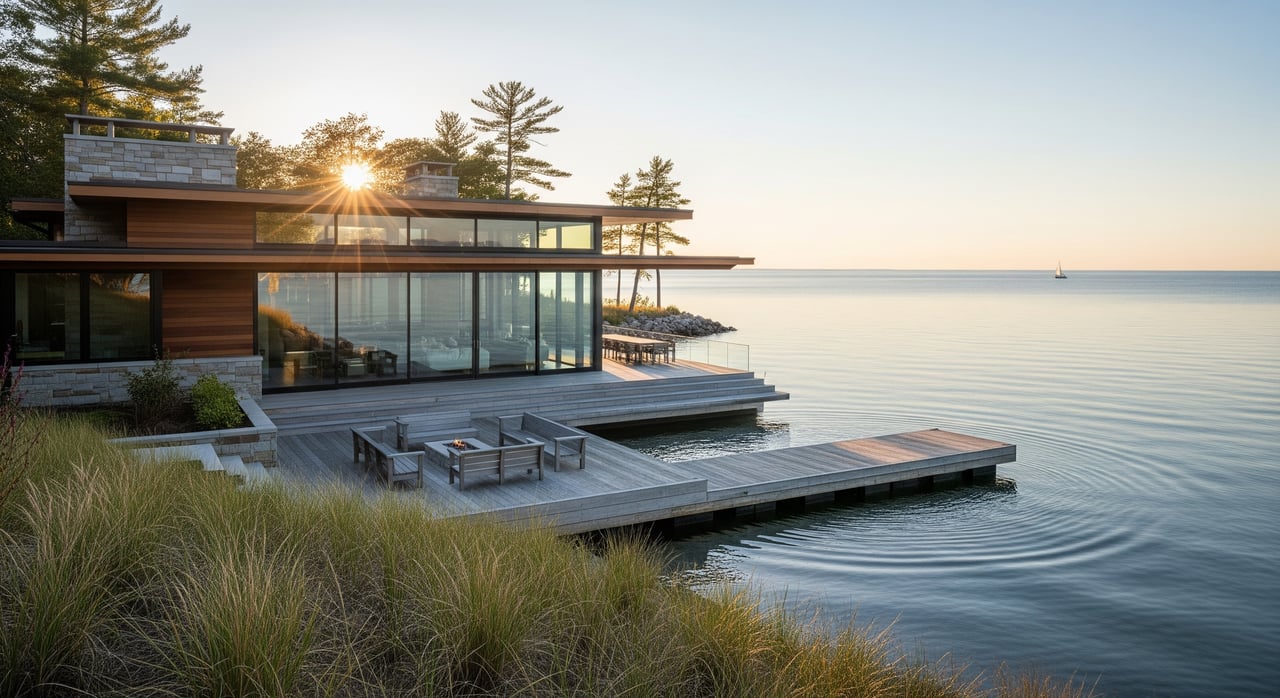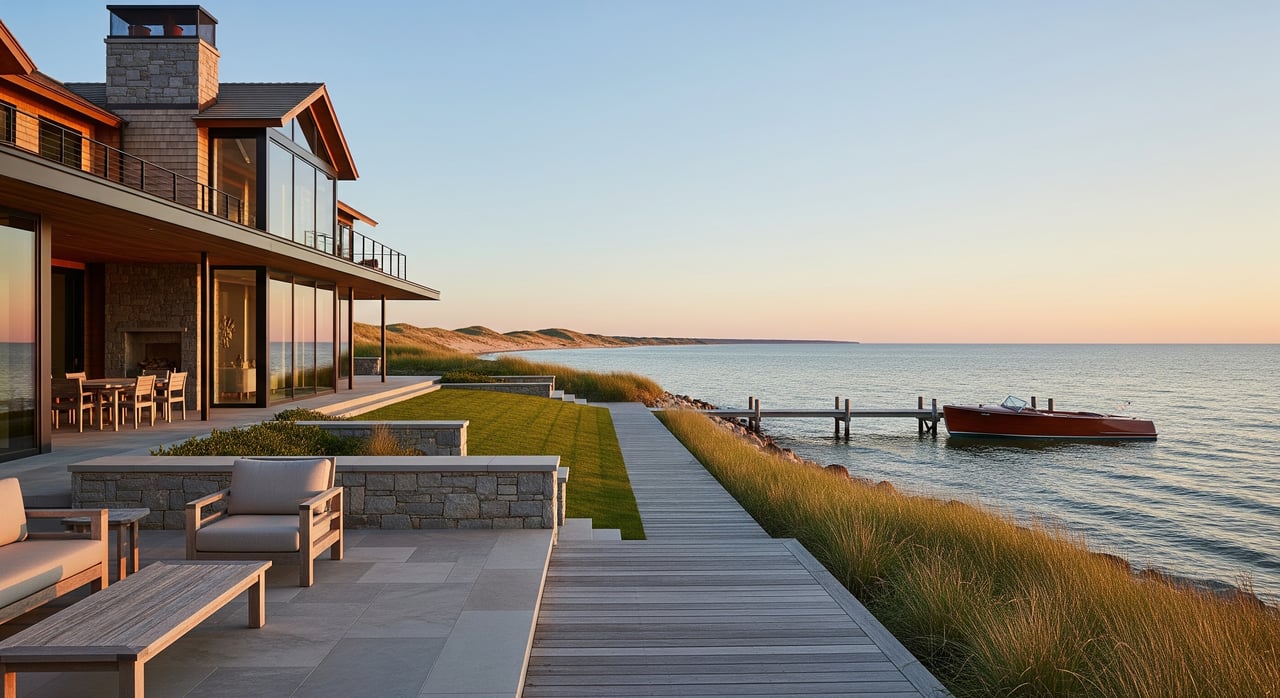
Daydreaming about a cottage on Lake Michigan or a canal-front condo off Lake Macatawa, but not sure how to pay for it? You are not alone. Financing a Holland waterfront home works a little differently than a typical suburban purchase, especially if you live out of the area or plan to use the home part-time.
In this guide, you will learn the loan types that fit lakefront purchases, how lenders view second homes versus investments, what to expect with appraisals on the water, and the local insurance and regulatory issues that affect your budget. You will also get a practical checklist to help your lender move fast this spring. Let’s dive in.
What makes waterfront financing different
Holland’s shoreline includes Lake Michigan frontage, Lake Macatawa, and canal systems. That variety is great for lifestyle and choice, but it adds complexity for lenders and appraisers. Comparable sales are fewer, shoreline features can vary widely, and flood, erosion, or septic considerations may come into play.
The result is more documentation, careful appraisal review, and sometimes extra reserves. You can manage all of this by choosing the right loan type and getting your lender the right property information early.
Choose the right loan type
Most waterfront buyers in Holland use one of these options:
- Conventional conforming mortgage. Popular for primary and second homes. Competitive for well-qualified buyers.
- Jumbo loan. Used when your loan amount exceeds the conforming limit. In 2024 the nationwide single-family conforming limit was $726,200. Verify the current limit before you shop.
- FHA loan. Best suited for primary residences. Not a fit for second or vacation homes.
- VA loan. Available to eligible service members and veterans for a primary residence.
- Portfolio or alternative documentation loans. Useful if you have nontraditional income or a unique property. Expect higher rates and stricter terms.
Rates and fees can differ by occupancy type. Second-home and investment loans often price higher than primary-residence loans, and jumbos can vary by lender competition.
Primary, second home, or investment
How you plan to use the home is central to underwriting.
- Primary residence. You intend to live there as your main home. Many programs permit lower down payments and more flexible terms.
- Second home or vacation home. You use the property personally and do not rent it full-time. Conventional programs allow second-home financing.
- Investment property. You intend to rent the home or use it primarily for income. Lenders treat these most conservatively.
If you plan short-term rentals in Holland or nearby townships, your lender may classify the home as an investment even if you enjoy it part-time. Many lenders do not allow you to use projected short-term rental income to qualify for a second home. Clarify your use plan with your lender upfront.
Down payment, DTI, and reserves
Every lender sets its own overlays, but here is what is typical:
- Down payment. Primary conventional options can go as low as 3 percent for certain buyers, though many buyers choose 10 to 20 percent. Second homes often require 10 to 20 percent. Investment and jumbo loans commonly require more.
- Debt-to-income ratio. Many conventional lenders will allow around 45 to 50 percent for strong borrowers. Jumbo programs can be tighter.
- Cash reserves. Expect more reserves for second homes, investment properties, and jumbos. Six or more months of principal, interest, taxes, and insurance is common. Some lenders ask for 6 to 12 months.
If your income is seasonal or irregular, be ready with two years of tax returns and solid documentation. Liquid assets in bank or brokerage accounts usually count toward reserves.
Appraisals on the water
Waterfront valuation takes experience and time. In Holland, the appraiser may need to adjust for:
- Direct Lake Michigan frontage versus Lake Macatawa or canal access
- Private shoreline and linear feet of frontage
- Condition of seawalls, bulkheads, stairs, and retaining features
- Dock presence and condition
- Elevation, flood risk, and erosion history
Ask your lender to assign an appraiser with waterfront experience. Limited comps and shoreline variability can slow reports. If comps are distant or infrequent, expect closer review by underwriting. Build extra time into your contract and consider an appraisal contingency.
Local rules, permits, and insurance
Shoreline properties in Ottawa County and the City of Holland are subject to state and local oversight. Keep these items on your radar:
- Shoreline permits. Work on docks, seawalls, riprap, and related structures often requires permits. The Michigan Department of Environment, Great Lakes, and Energy provides state guidance, and local municipalities administer zoning and building rules. Confirm that existing structures were permitted.
- Riparian rights and public trust. Ownership and use along the Great Lakes can be influenced by the ordinary high water mark and any recorded easements. Title work should clarify access and rights.
- Short-term rental rules. The City of Holland and nearby townships may require licenses or may limit rentals. Condo and HOA rules can be stricter than city rules. Verify before counting on rental income.
- Septic and well. Waterfront parcels outside city utilities often rely on septic and private wells. Lenders commonly require a recent septic inspection and a well-water test before closing.
- Taxes and PRE. Michigan’s Principal Residence Exemption reduces school operating taxes for a primary residence. Second homes do not qualify. Check estimated millage with the local assessor.
- Flood risk and insurance. Review FEMA flood maps for the property’s zone. If the home is in a mapped flood zone and you use a federally backed loan, flood insurance is typically required. Even outside mapped zones, lenders may ask for coverage depending on risk. You may also need an elevation certificate.
Insurance premiums on the shoreline can be higher due to wind and water exposure. Ask your insurance agent for a quote early and share it with your lender.
Condos and HOAs on the water
If you prefer a condo on Lake Macatawa or a canal-front complex, financing involves the project itself as well as your unit.
- Project approval. Lenders review the association’s budget, reserves, insurance, dues delinquency, and any litigation. FHA and VA have separate condo approval processes.
- Special assessments. Waterfront associations sometimes assess for seawall, dune, pier, or shoreline repairs. Review meeting minutes, recent financials, and the reserve study to spot potential costs.
- Rental limits and investor caps. Many waterfront associations restrict short-term rentals, set minimum lease terms, or limit investor-owned units. These rules can affect both financing and income plans.
- Insurance. Master policies may exclude flood or certain wind perils. You might need separate flood insurance or endorsements to satisfy lender requirements.
Your lender-ready checklist
Gather these items before you write an offer. Share property details with your lender as soon as you identify a serious candidate.
- Identity and income
- Government ID and Social Security number
- Last 2 to 3 pay stubs and 2 years of W-2s
- Last 2 years of tax returns. Include K-1s if applicable
- For self-employed: 2 years of business returns, profit and loss, 1099s, and business licenses
- Assets and gifts
- Last 2 to 3 months of bank statements for all accounts
- Brokerage and retirement statements for reserves
- Gift letters and documentation if using gift funds
- Property documents
- MLS printout or signed purchase agreement with seller disclosures
- HOA or condo documents: bylaws, CC&Rs, budget, reserve study, insurance declarations, and rental rules
- Septic inspection and well-water test if applicable
- Survey or plat map showing waterfront and any access easements
- Title work, including any riparian or public access easements
- Shoreline permits or records for docks, seawalls, or riprap
- Homeowners and flood insurance quotes. Provide an elevation certificate if available
- Appraisal and inspections
- Tell your lender the property is waterfront so they can assign an experienced appraiser
- Consider specialist inspections for bulkhead, seawall, septic, and well
- Rental income plans
- If you hope to use rental income to qualify, gather leases and tax returns. Rules vary widely for short-term rentals
Build a smart contract timeline
Waterfront appraisals and condo reviews can take longer than standard homes. Give your lender and appraiser time to review shoreline features and HOA documents. Ask your agent to structure contingencies that match the property’s complexity.
Consider these contingencies:
- Appraisal contingency tailored to a waterfront valuation
- Septic and well inspection contingency for non-sewered properties
- Time to confirm homeowners and flood insurance availability and premiums
- HOA document review period long enough to read minutes and the reserve study
Putting it all together
Financing a lakefront home in Holland is very doable with the right plan. Choose a loan program that fits how you will use the home, budget for realistic down payment and reserves, and get your insurance quotes early. Line up a lender who understands waterfront appraisals and the local shoreline context so you can move quickly when the right place hits the market.
Ready to explore Holland waterfront properties and connect with lenders who understand Lake Michigan and Lake Macatawa nuances? Reach out to Steven A Elder for local guidance and a clear next step.
FAQs
Can I use FHA or VA for a Holland vacation home?
- Generally no. FHA and VA focus on primary residences. Conventional financing is the usual path for second homes.
What down payment is typical for a Lake Michigan or Lake Macatawa home?
- Many second-home buyers put 10 to 20 percent down. Investment and jumbo loans often require higher amounts and stronger credit.
Will I need flood insurance for a Holland waterfront home?
- Possibly. If the home is in a mapped FEMA flood zone, federally backed loans usually require it. Even outside mapped zones, lenders may ask for coverage based on risk.
How do short-term rental rules affect financing in Holland?
- City or township ordinances and HOA rules may limit or license short-term rentals. If you plan to rent, lenders may treat the home as an investment property with stricter terms.
What appraisal challenges should I expect on Lake Michigan frontage?
- Limited comparable sales, erosion history, shoreline structures, dock condition, and riparian or access issues can all increase appraisal scrutiny and timeline.
Do I need a local lender for a Holland waterfront purchase?
- Not required, but lenders familiar with Ottawa County shoreline issues, flood mapping, and septic processes can help your loan move more smoothly. Compare offers from both local and national lenders.