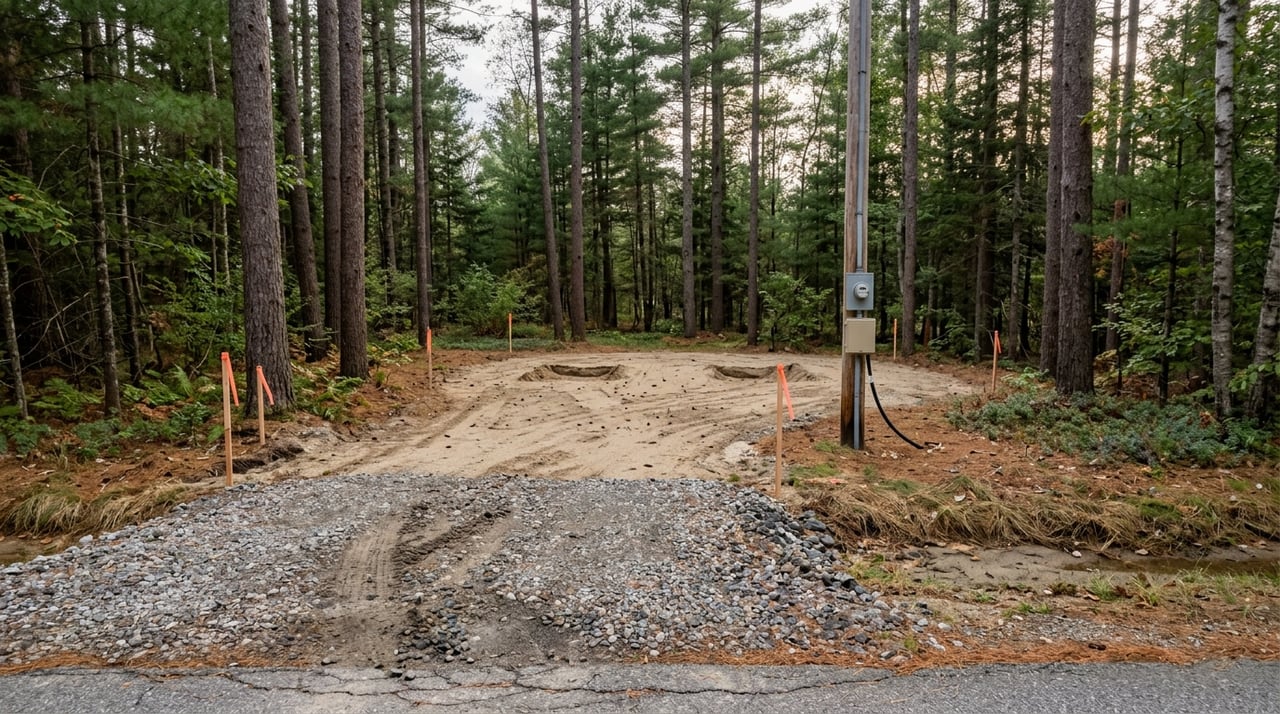
Buying land near Onekama can feel simple at first. You find a beautiful parcel, picture your future home or getaway, and start planning. But with vacant land, the real question is not just whether you like the property. It is whether you can actually use it the way you want. This guide will walk you through the key checks before you buy, from zoning and septic to shoreline access and floodplain rules, so you can move forward with more confidence. Let’s dive in.
Start With Buildability
Before you focus on views, acreage, or road frontage, make sure the lot is physically buildable. Near Onekama, that often starts with understanding soils, water, and site constraints rather than relying on a listing description.
If the parcel will need a private septic system, District Health Department #10 recommends a soil evaluation before purchase. That review looks at soil type, depth to seasonal high groundwater, and depth to a confining layer. In practical terms, it helps you understand whether a septic system may be feasible before you close.
In Onekama Township, the zoning ordinance also ties buildability to site conditions. The ordinance’s definition of buildable area excludes wetlands, floodplain, drainage ways, high-risk erosion areas, and lakes. That means a parcel’s total size may not reflect the area where a home can actually be placed.
Verify Utilities Early
Utility availability is another item you should confirm right away. If a parcel is not served by public water or sewer, you will want to understand what private systems may be needed and whether the site can support them.
The township’s development-plan standards require applicants to identify water, sewer, stormwater, and other utility service details. That is a good reminder not to assume utility access from a listing or aerial photo alone. If you are buying land for a future build, utility verification should happen early in your due diligence.
Check Onekama Zoning First
Zoning is one of the most important parts of buying land near Onekama. Even if a parcel looks large enough for your plans, the zoning district may limit density, setbacks, and the type of development allowed.
Onekama Township’s October 2024 amended zoning ordinance includes several shoreline-oriented districts with different rules. For example, RR-1 allows one dwelling per acre and requires a minimum parcel size of one acre. RR-2 allows three dwellings per acre with a 15,000-square-foot minimum parcel. The SUR district allows one dwelling per two acres and includes a 300-foot bluff-related setback framework.
That matters because lot size alone does not tell the whole story. A parcel may appear big enough on paper but still face restrictions based on district standards, topography, waterfront features, or required setbacks.
Shoreline Districts Need Extra Attention
In RR-1, RR-2, RR-3, RR-4, and SUR districts, the township requires a survey for land use permit applications. The ordinance also states that no new use, excavation, or construction can begin until a land use permit is issued.
If you are considering a parcel on an undeveloped platted road, there may be another layer to review. The township can require a bond to improve the road to the required standard before issuing permits. That can affect both timeline and budget.
Site Condos and Open-Space Plans
If the property is part of a site condominium or open-space development, review becomes more detailed. The township requires plans to show roads, easements, topography, utilities, floodplain and wetland information, soil-test results, and well data.
The ordinance also says waterfront and bluff setbacks may not be waived in open-space developments. So if you are looking at a parcel in a more structured development setting, you should still confirm the exact restrictions tied to that lot.
Understand Shoreline Rights
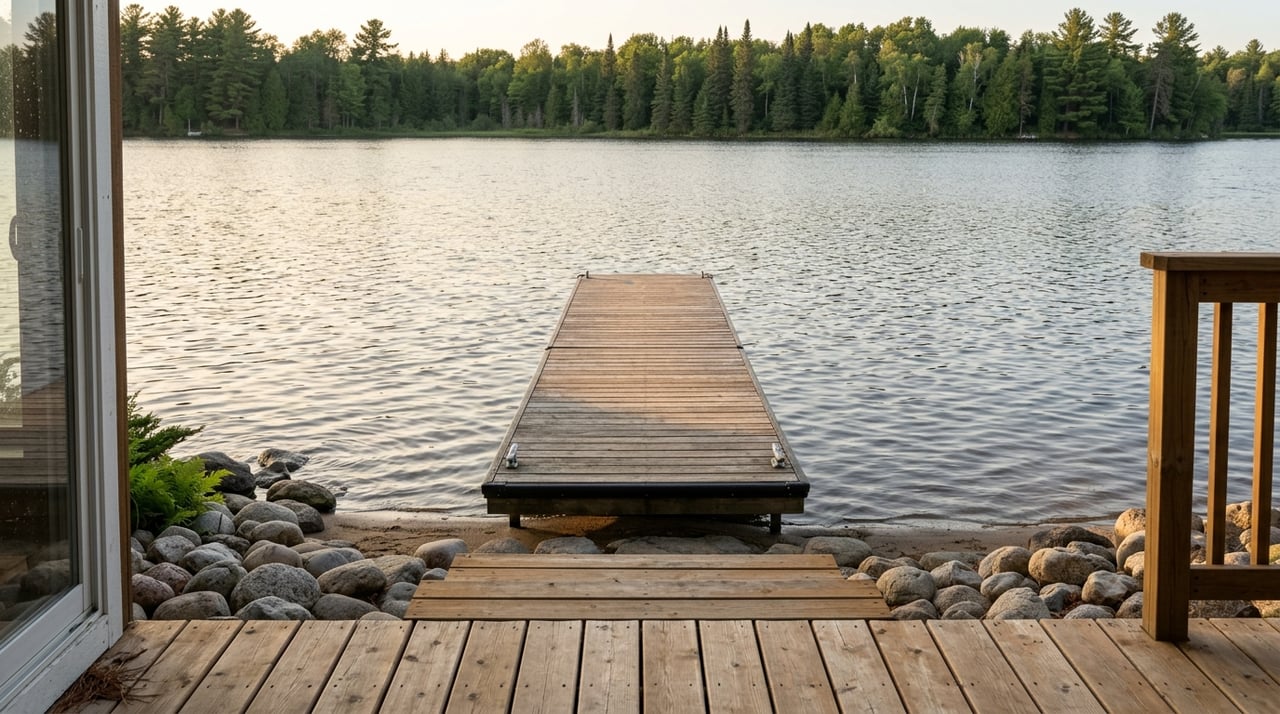
Near Onekama, water access can be a major reason buyers are drawn to land. But lake access does not always mean full waterfront rights, and it should never be treated as interchangeable with ownership.
A lake access easement is not the same as riparian ownership. According to Michigan appellate guidance on waterfront easement rights, the deed language controls what the easement allows. An access easement may permit access to the water and limited recreational use, but it does not automatically include the right to install a dock or maintain permanent mooring.
That is why title work and recorded easement review matter so much. If the parcel advertises lake access, make sure you know exactly what legal rights come with it before closing.
Review EGLE Water Rules
If the parcel touches Lake Michigan, Portage Lake, or another regulated water feature, state permitting may become part of the process. These reviews are separate from township zoning and should be treated as their own due-diligence step.
For Lake Michigan frontage, EGLE uses the ordinary high-water mark to determine where permits are required. Along and below that mark, permits are required for activities such as dredging, filling, seawalls, docks, and other structures.
For Portage Lake and inland-water parcels, EGLE’s Inland Lakes and Streams Program regulates dredging, filling, structures on bottomlands, marinas, and actions that may interfere with natural water flow. If your vision for the property includes water-related improvements, it is smart to contact EGLE early rather than after investing in plans.
Bluff Parcels Have Tighter Rules
Bluff properties can be especially attractive, but they often come with stricter limitations. In the SUR district, the Onekama ordinance says no structures may be lakeward of the bluff line except beach access structures.
Those access structures must follow specific standards. They must generally be mostly wood, follow the bluff’s natural contours, avoid weakening the bluff, and on slopes over 33 percent must be designed by a registered architect or certified engineer. They also must be easily removable.
Don’t Overlook Floodplain Review
Floodplain rules can shape whether and how a parcel can be developed. This is especially important if the property sits near water or includes low-lying land.
EGLE’s floodplain guidance says residential construction is prohibited in the floodway. It also says that buildings in the 100-year floodplain must have the lowest floor at least one foot above the 100-year flood elevation.
For houses near a lake, EGLE notes that a state floodplain permit may not be required under Part 31 if construction is not on the inlet or outlet of the lake. Still, local elevation standards may apply, so floodplain review should stay on your checklist.
Follow a Smart Due-Diligence Order
When you are buying vacant land, order matters. A practical sequence can help you avoid spending money on the wrong next step.
1. Confirm zoning and permit path
Start by confirming the zoning district and intended use with the township. The Manistee County permits page shows that Onekama Township has separate applications for land use permits, special use permits, variance requests, and planned unit developments.
2. Order a survey and review title
A survey can clarify boundaries, road frontage, setbacks, and possible encroachments. It also becomes especially important in shoreline districts where the township requires one for certain permit applications.
At the same time, review the title commitment and any recorded easements. If access, waterfront use, or shared roads are important to your purchase, those documents should be reviewed before you rely on them.
3. Get the soil evaluation early
If the lot is likely to need septic, move this step up the list. DHD#10 states that a soil evaluation before purchase can help determine whether a septic system is feasible.
This is one of the most practical land-buying steps you can take. It can help you understand potential limitations before you finalize the deal.
4. Contact EGLE for water-related issues
If the property includes wetlands, floodplain, shoreline, bluff areas, or direct water frontage, contact EGLE early. EGLE offers pre-application meetings and wetland identification services, which can be useful if the parcel has sensitive environmental features.
Early guidance can help you shape realistic plans and avoid surprises later in the process.
5. Verify road access and driveway approvals
If the access road is private or undeveloped, confirm who maintains it and what standards apply. The county permit listings also show driveway permits through the Manistee County Road Commission, so road access should be reviewed along with zoning and title.
This step is easy to overlook, but it can become a major issue if access improvements are needed before a permit is issued.
Common Mistakes Buyers Make
One of the biggest mistakes is assuming that a parcel is buildable because nearby homes exist. Every lot has its own zoning district, setbacks, utility situation, soil conditions, and site limitations.
Another common issue is treating lake access language too casually. If a listing mentions access, frontage, or shared use, make sure the deed and recorded documents support what you expect to do with the property.
Buyers also sometimes wait too long to ask about septic, wetlands, or bluff rules. Near Onekama, those details can significantly affect where you build, what you build, and how long approvals may take.
A Better Way to Buy Land Near Onekama
The right parcel near Onekama can open the door to a great future home, cottage, or long-term investment. But the best land purchases usually come from careful research, clear documents, and the right questions before closing.
If you are exploring buildable lots, waterfront parcels, or acreage in the Onekama area, working with a local real estate guide can help you spot issues early and keep your search focused on properties that fit your goals. When you are ready to explore West Michigan land opportunities, connect with Steven A Elder for practical, local guidance.
FAQs
What should you check first before buying land near Onekama?
- Start by confirming whether the parcel is buildable, what zoning district applies, and whether septic, driveway, or shoreline-related approvals may be needed.
Does land near Onekama need a perc test?
- In this area, buyers should think in terms of a soil evaluation through District Health Department #10, which helps determine whether a septic system may be feasible.
Can a lake-access lot near Onekama include dock rights?
- Not automatically. The deed language controls, and an access easement does not necessarily include the right to install a dock or permanent mooring.
What zoning districts matter for shoreline land in Onekama Township?
- Key shoreline-oriented districts include RR-1, RR-2, and SUR, each with different density, parcel-size, and setback rules.
Do bluff parcels near Onekama have special building rules?
- Yes. In the SUR district, structures generally may not be placed lakeward of the bluff line except certain beach access structures that must meet specific ordinance standards.
Do you need to check floodplain rules before buying Onekama land?
- Yes. Floodplain limits can affect where you build, and residential construction is prohibited in the floodway under EGLE guidance.