Are you looking for a second home that actually gets used, not just admired on a calendar? Grand Haven stands out because it gives you that classic Lake Michigan beach-town feel with real day-to-day convenience, whether you want easy summer weekends, peaceful off-season visits, or a property that fits a boating or rental plan. If you are considering beach town living in Grand Haven for a second home, here is what to know before you buy. Let’s dive in.
Why Grand Haven Works for Second-Home Buyers
Grand Haven offers a shoreline lifestyle that feels easy to enjoy. You have a compact, walkable core where the beach, downtown, harbor, boardwalk, shops, restaurants, marinas, and parks all connect in a way that supports quick getaways and longer stays.
That matters when you are buying a second home. Instead of spending half your weekend driving from one activity to another, you can settle in and actually enjoy the place. Grand Haven State Park, downtown, and the harbor area make it possible to spend time at the beach, grab dinner, and stroll the waterfront without constantly getting back in the car.
The harbor boardwalk is a big part of that appeal. It runs about 1.5 miles one way, or 3 miles round trip, and stays open year-round, which gives you a simple way to enjoy the waterfront in every season.
Grand Haven Lifestyle by Season
Summer brings the biggest energy
Summer is when Grand Haven feels busiest and most active. You can expect beach days, boardwalk walks, outdoor patios, live music, art fairs, and a full calendar of public events that give the town a lively seasonal rhythm.
Two standout summer draws are the Coast Guard Festival and the Musical Fountain. The Coast Guard Festival brings major attention to the city each year, and the Musical Fountain runs nightly from Memorial Day through Labor Day, with additional shows in May and September.
If your ideal second home includes walkable access to activity, summer in Grand Haven checks that box. It can feel more city-like during the busiest months, which is a plus for buyers who want energy, events, and lots to do close by.
Fall and winter offer a quieter pace
Grand Haven does not shut down after summer. Fall brings quieter beaches and a cozy downtown atmosphere, while winter offers peaceful shoreline walks, snow-covered beach views, and seasonal recreation like skiing and snowshoeing.
For many second-home buyers, that four-season appeal matters just as much as summer. A home that still feels enjoyable in October, January, or early spring can give you more reasons to visit and more value from ownership over time.
Winterfest also adds to the year-round pattern. If you want a place that has energy in peak season but still feels inviting when things slow down, Grand Haven offers that balance.
What Types of Second Homes You Will Find
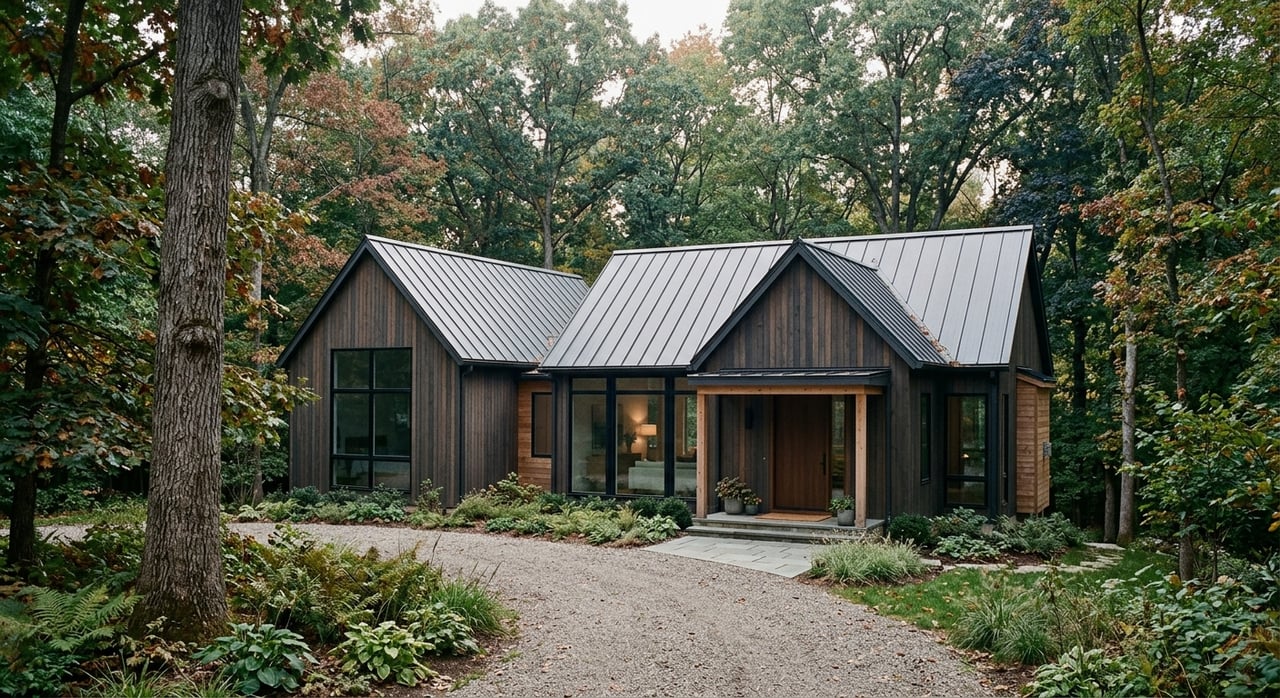
Grand Haven is not a one-style beach town. According to the city’s master plan, single-family homes make up the largest land-use category, but you will also find condos, apartments, duplexes, and other multi-unit housing types in different parts of the city.
That variety is helpful because second-home buyers do not all use property the same way. Some want a lock-and-leave condo near downtown, while others want a single-family cottage with more privacy or a home in an in-town setting close to the boardwalk and state park.
Shoreline and dune settings
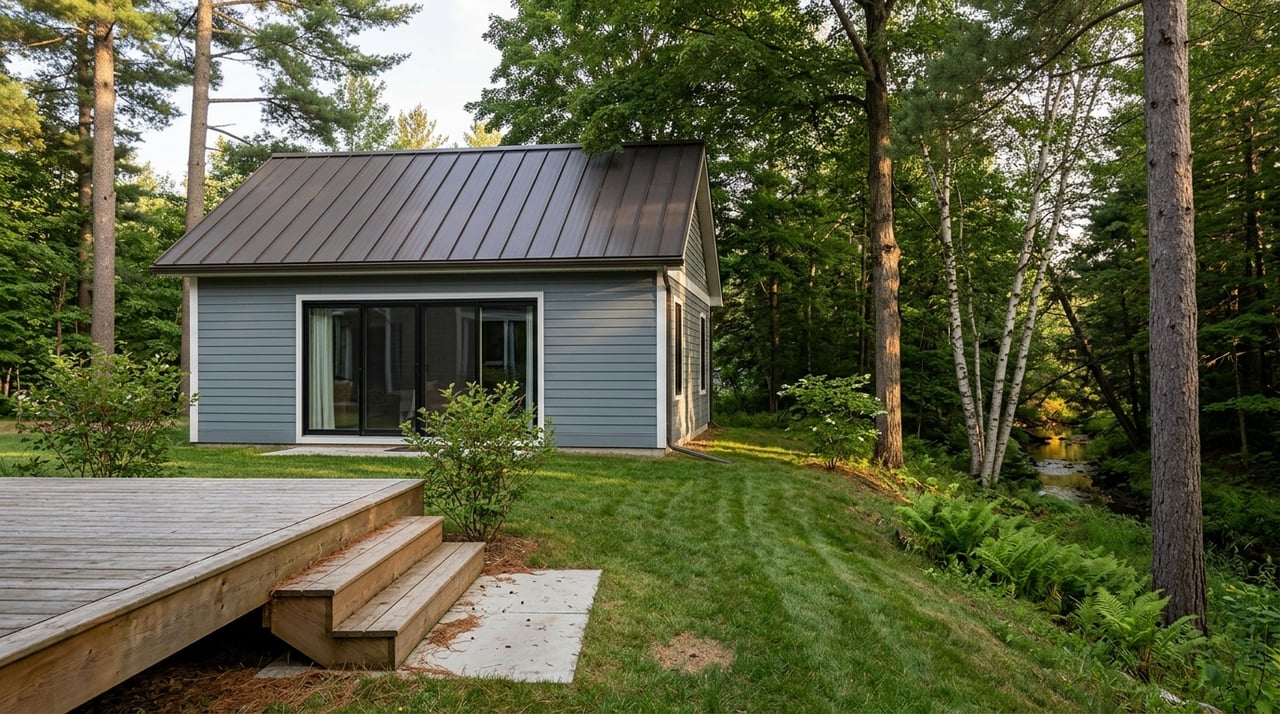
The Dune Residential and North Shore areas are described in the city’s planning documents as largely low-density single-family areas shaped by Lake Michigan views, dunes, and wooded surroundings. For buyers drawn to a more tucked-away lakeshore setting, these areas may better match that vision.
These settings often appeal to buyers who want scenery, a cottage feel, or a retreat-oriented experience. The key is understanding that a property in a dune or shoreline district may live very differently from one in the heart of town.
In-town and walkable settings
Old Town and Southside have more historic, walkable, and mixed-use characteristics. If your second-home goals include stepping out for coffee, walking to the waterfront, or spending more time around downtown activity, an in-town location may make more sense.
This is where your intended use should guide your search. A home that sounds ideal on paper might not be the best fit if your real priority is low maintenance, frequent weekend visits, or easy access to events and dining.
Matching the Property to Your Use
One of the smartest ways to shop for a second home in Grand Haven is to start with how you plan to use it. That sounds simple, but it can quickly shape the right location, property type, and maintenance level.
Ask yourself what a typical visit will look like. Are you planning quick weekend trips from elsewhere in West Michigan, full summer stretches, or occasional holiday visits in quieter seasons?
Here are a few common second-home use patterns to think through:
- Low-maintenance getaway: A condo or in-town property may work well if you want easy arrivals, walkability, and less exterior upkeep.
- Classic beach-town retreat: A single-family cottage may be a better fit if you want more privacy, more room for guests, or a traditional second-home feel.
- Boating-focused property: Access to the marina, launch, or water-related amenities may matter as much as beach proximity.
- Seasonal rental possibility: Zoning, parking, and city registration rules should be part of your search from day one.
When you match the home to your actual habits, you make it easier to enjoy the property and easier to hold it with confidence.
Why Grand Haven Is Practical for Repeat Use
A second home works best when you can realistically use it often. Grand Haven has a strong advantage here because it is close to other West Michigan population centers. Official visitor information places it about 30 minutes west of downtown Grand Rapids, 20 minutes north of Holland, and 15 minutes south of Muskegon.
That makes Grand Haven a realistic choice for recurring weekend use, not just a once-a-year vacation. If you live elsewhere in West Michigan or spend time in the region regularly, the drive can be manageable enough to make spontaneous trips part of your routine.
This practical access is easy to overlook, but it matters. A second home that fits your travel patterns tends to become part of your life, rather than a place you keep meaning to visit more often.
Rental Rules Matter Early
If you are thinking about offsetting costs with rental income, Grand Haven’s local rules should be reviewed early in the process. The city requires annual rental registration, and short-term rentals are allowed only in specific zoning districts with sufficient off-street parking.
That means not every attractive second home will work for a rental plan. A property’s zoning and parking setup can be just as important as its finishes, location, or beach access.
The city also notes that existing certified short-term rentals can transfer to new owners. For buyers exploring a rent-when-you-are-away strategy, that can make certain properties especially worth a closer look.
Boating Access Can Shape Your Search
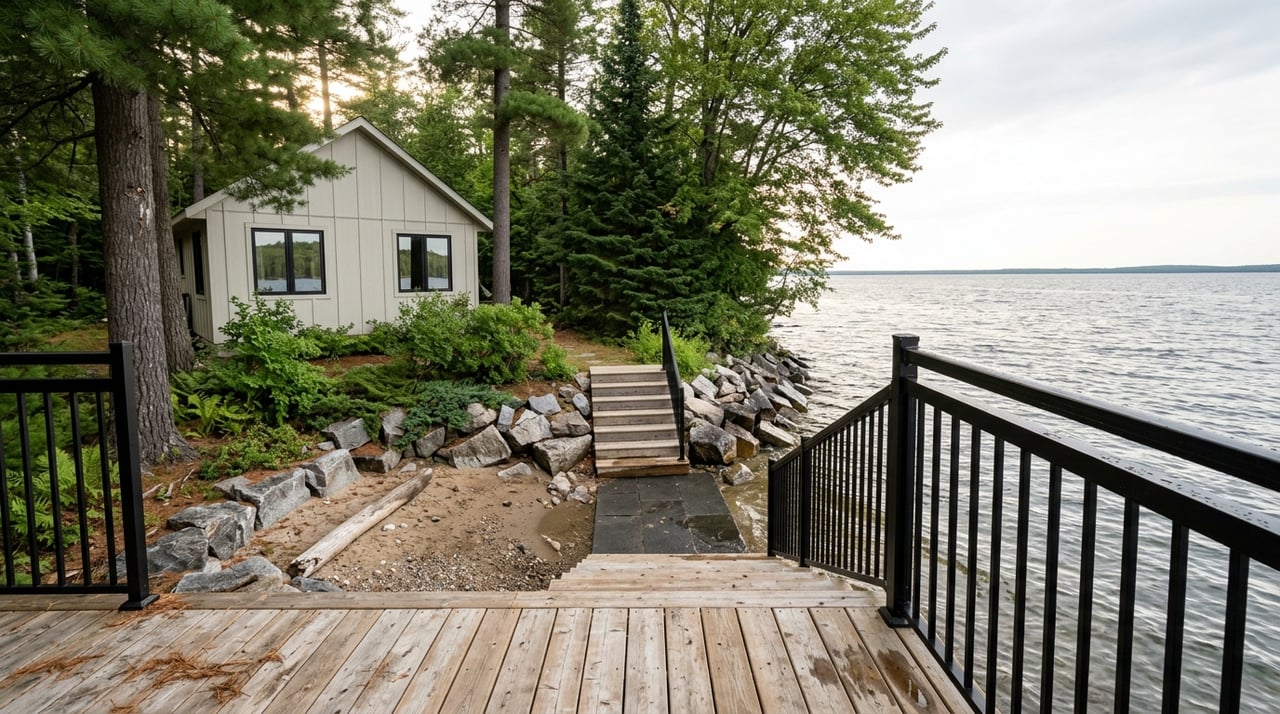
For some second-home buyers, the beach is the main attraction. For others, boating is central to the entire purchase. Grand Haven’s municipal marina and boat launch are important local assets because they provide access to Lake Michigan, the Grand River, and Spring Lake.
The city says the marina has 57 slips, and boat-launch passes are required, with seasonal options available. If your version of Grand Haven living includes keeping a boat nearby or launching often, that should be part of your property search criteria.
You may decide that proximity to marina facilities matters more than being close to the busiest beach areas. This is another example of why lifestyle-first buying usually leads to a better long-term fit.
Beach Safety and Off-Season Use
Grand Haven State Park remains a major draw for second-home owners in every season. Vehicle entry requires a Recreation Passport, which is a practical detail to keep in mind if you expect frequent park visits.
It is also important to understand how beach use changes after summer. The Michigan Department of Natural Resources says swim buoys are removed after Labor Day, and once they are gone, the area is no longer considered a designated swim area and swimming is not recommended.
The beach remains open, but lake conditions can become more hazardous, especially near piers, breakwalls, and river outlets where dangerous currents can form. For off-season owners, that means the shoreline still offers beauty and recreation, but not the same swim conditions as peak summer.
What Smart Second-Home Buyers Focus On
When you look at homes in Grand Haven, it helps to think beyond the listing photos. The right second home usually comes down to how well the property supports your real routine, not just how it looks on a sunny day.
Keep your search grounded in a few practical questions:
- How often will you realistically visit?
- Do you want walkability, privacy, or a balance of both?
- Is boating part of your plan?
- Do you want a lower-maintenance setup?
- Are you hoping to pursue seasonal rental use?
- Does the location still work for you outside peak summer?
Those answers can quickly narrow your options in a smart way. In Grand Haven, the best second-home purchase is usually the one that fits your lifestyle in all four seasons, not just during one great July weekend.
If you want help sorting through condos, cottages, shoreline homes, or in-town options, Steven A Elder can help you explore Grand Haven with a clear, local perspective.
FAQs
Can you use a second home in Grand Haven year-round?
- Yes. Grand Haven is busiest in summer, but local sources highlight fall events, winter recreation, and year-round access to places like the boardwalk.
Can a Grand Haven second home be rented short term?
- Sometimes. The property must be in a zoning district that allows short-term rentals, and it must meet the city’s annual registration and off-street parking requirements.
What types of second homes are common in Grand Haven?
- Buyers can find several options, including single-family homes, condos, duplex-style housing, and other multi-unit properties, depending on the area.
Is Grand Haven mainly a summer destination for second-home owners?
- Summer is the busiest season, but Grand Haven also offers quieter fall and winter use, including downtown visits, shoreline walks, and seasonal events.
What should buyers know about Grand Haven beach use after Labor Day?
- The beach remains open, but once swim buoys are removed after Labor Day, the area is no longer a designated swim area and swimming is not recommended.
Does boating access matter when buying a second home in Grand Haven?
- For many buyers, yes. The municipal marina and boat launch provide access to Lake Michigan, the Grand River, and Spring Lake, so boating plans can affect where and what you buy.